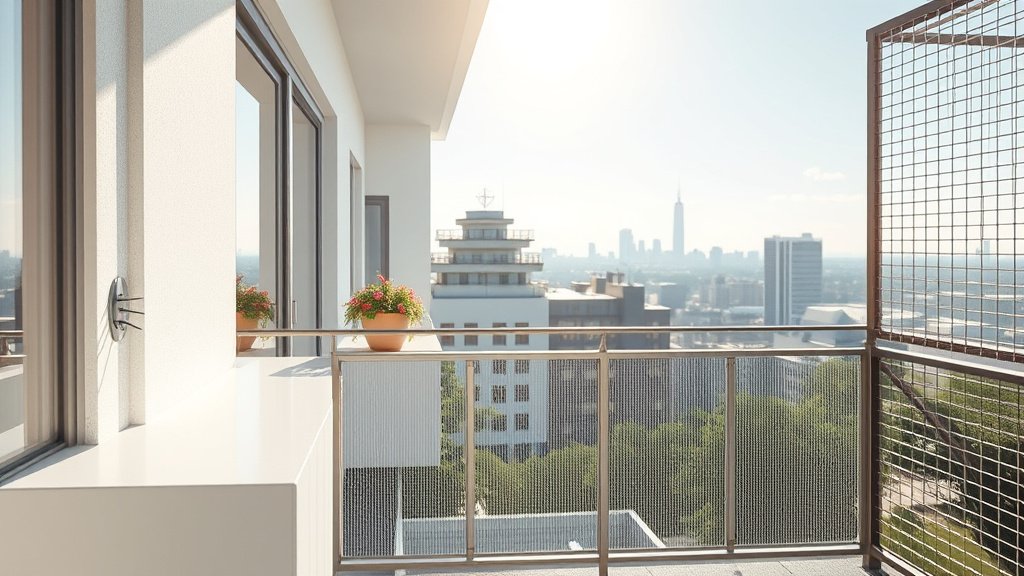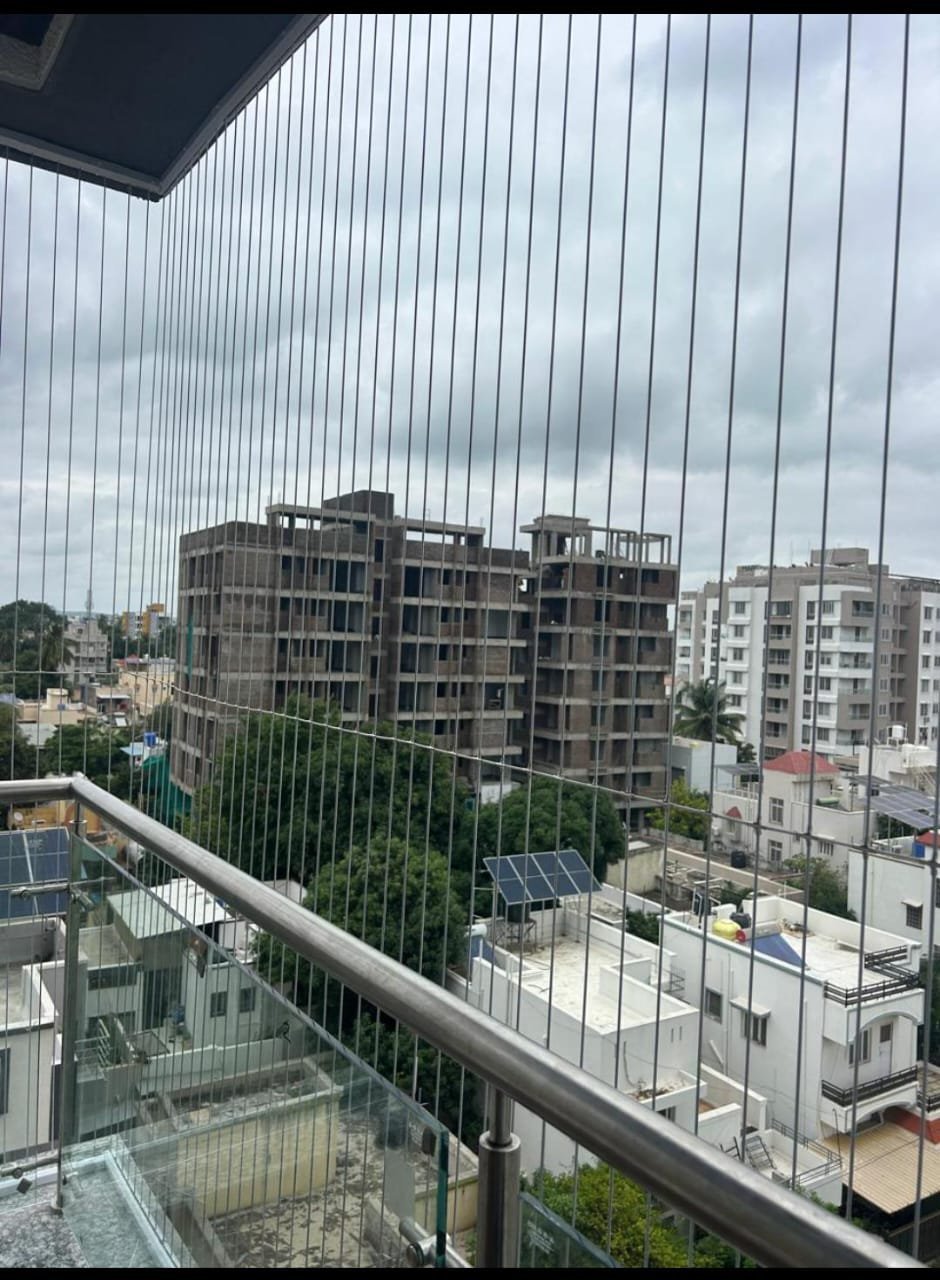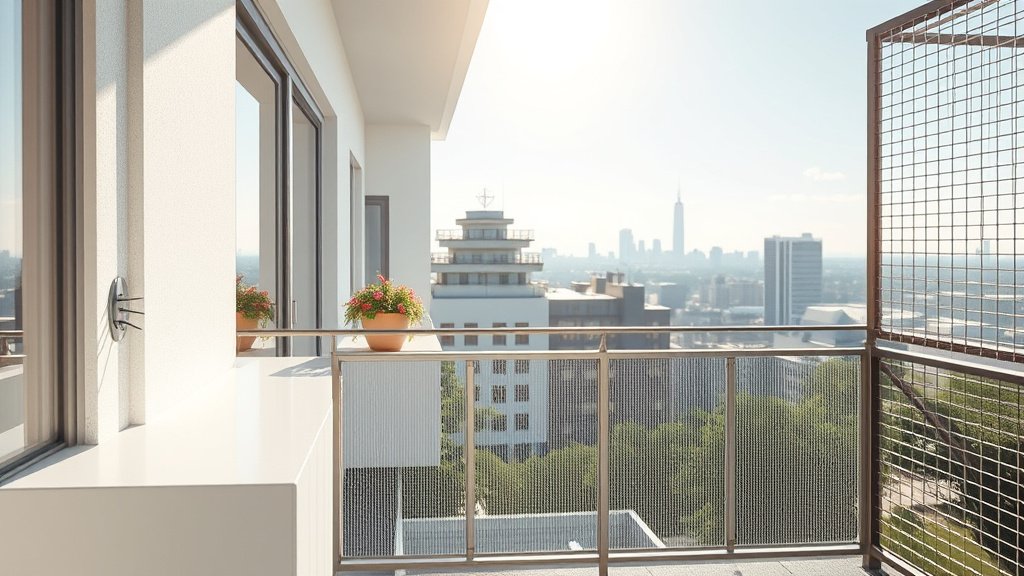
Pigeon net installation in Rankala helps transform outdoor living spaces into serene, family-friendly zones. This article dives into how modern bird deterrents and safety nets can protect balconies, veins of architecture, and public spaces from the nuisance and hazards of avian activity, while preserving the charm of Rankala’s surroundings. In particular, we explore practical solutions that balance aesthetics, effectiveness, and humane treatment of birds, with a focus on the unique needs of Rankala residents and establishments. The aim is to provide a comprehensive guide that empowers homeowners, renters, and property managers to make informed decisions about safeguarding their premises without compromising visual appeal or environmental considerations.
The concept of pigeon net installation in Rankala represents more than a mere protective measure; it is a philosophy of responsible urban living. By considering the local climate, building designs, and common bird behavior patterns in Rankala, installers tailor systems that integrate seamlessly with architectural lines while delivering reliable protection. This introductory overview sets the stage for a deeper exploration of the technologies, strategies, and practical tips that will follow, and it emphasizes the keyword in a way that underscores the practical value of these interventions for families, businesses, and communities alike.
Ensuring Safety and Serenity: Pigeon Net Installation in Rankala
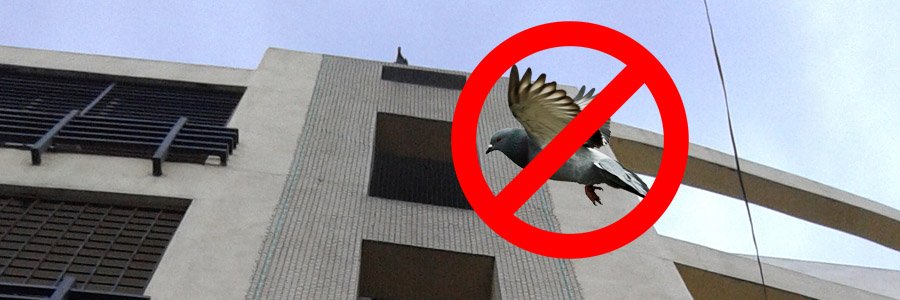
Pigeon net installation in Rankala is often the first line of defense against a range of issues—droppings, nesting sites in crevices, and the spread of diseases via birds. A well-designed netting system can dramatically reduce maintenance costs and health risks while promoting a cleaner, more inviting environment for residents and visitors. When approached thoughtfully, these installations also elevate the perceived value of a property, signaling a commitment to safety and well-being that resonates with tenants, buyers, and regulators.
Beyond the immediate protective benefits, the process of selecting the right netting solution invites a broader discussion about the aesthetics of urban living. Homeowners frequently worry about the visual impact of nets on balconies and facades, but with modern materials and precise configurations, the netting can be nearly invisible from street level or integrated with railing designs in a way that minimizes visual disruption. This balance between efficacy and appearance is at the heart of successful pigeon net installation in Rankala, and it requires collaboration among architectural teams, safety experts, and local authorities to ensure compliance and harmony with the surrounding environment.
In practice, the most effective installations combine high-tlexibility nets with robust mounting systems, corrosion-resistant components, and careful field measurements. It is essential to assess peak wind conditions, bird flight patterns, and seasonal variations in population to optimize the tension, mesh size, and attachment points. A professional service can provide a tailored plan that includes post-install maintenance schedules, warranty coverage, and clear communication about expected outcomes and potential adjustments over time. The result is a resilient solution that protects people and property while respecting the rhythm of Rankala’s streets and apartments.
Key considerations in this space include the choice between polyethylene and polypropylene nets, the denier rating for durability, and the mesh size that blocks pigeons without creating a cluttered or industrial look. The conversation also extends to warranty terms, service intervals, and the cost-to-benefit ratio of different configurations. For families, schools, and commercial venues in Rankala, a thoughtful approach to net installation translates into real-world peace of mind. It ensures that balconies remain usable spaces for relaxation and socialization rather than becoming overlooked hubs of bird activity.
A holistic approach to safety also considers complementary measures, such as anti-bird net Rankala and invisible grill in Rankala options, to create multiple layers of defense. This layered strategy can adapt to evolving bird behavior and changing weather patterns while providing redundancy in protection. In densely populated areas, where birds may become more ambitious or persistent, combining nets with deterrents like spikes or spikes-like devices can further reduce the likelihood of nesting or roosting in hard-to-cover corners. The goal is not merely to deter birds temporarily but to create a sustainable environment in which human activity and avian life can coexist with minimal friction.
From a community perspective, implementing pigeon net installation in Rankala often requires coordination with housing associations, municipal guidelines, and local environmental groups. Transparent communication about installation timelines, maintenance responsibilities, and long-term cost expectations fosters trust and reduces disruption. It’s worth noting that ethical considerations also matter—nets must be non-toxic and installed in a manner that does not trap wildlife or cause harm. A humane, compliant approach aligns with broader societal norms and regulatory expectations, reinforcing the value of responsible pest-management practices in Rankala.
In sum, pigeon net installation in Rankala is more than a technical fix; it is a statement about how communities choose to live with awareness and care. When executed with precision, it preserves outdoor enjoyment while protecting health, cleanliness, and property. The best installations marry technical rigor with aesthetic sensitivity, ensuring balconies and terraces remain usable, beautiful, and safe for families and visitors alike.
Invisible Grills in Rankala: A Modern Solution for Balcony Safety
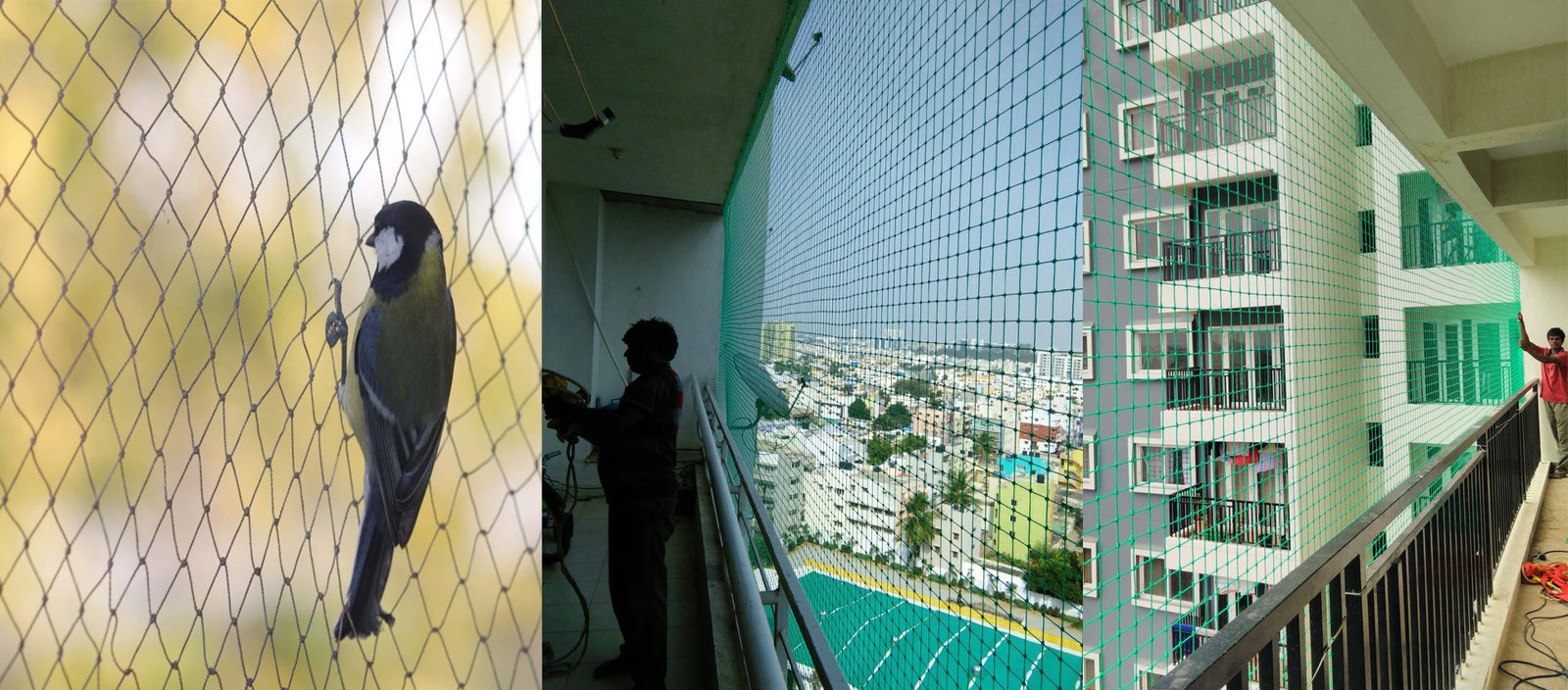
Invisible grills in Rankala represent a contemporary approach to balcony safety that emphasizes both protection and design integrity. By integrating micro-perforated or finely meshed grilles into railings or balcony enclosures, these systems create an almost seamless barrier that prevents falls and bird intrusions without compromising the visual appeal of a building’s exterior. For homeowners who want to preserve expansive views or maintain a minimalistic facade, invisible grills offer an elegant compromise between security and style, particularly when paired with complementary protective measures like pigeon net installation in Rankala.
The practical benefits extend beyond aesthetics; invisible grills contribute to long-term risk reduction in high-traffic balcony zones, where children’s play, elderly residents, or frequent gatherings can elevate the importance of fall prevention. The installation process typically involves precise measurements, custom fabrication, and careful anchoring to existing structures to minimize drilling or structural interference. The result is a discreet safety feature that remains largely invisible to the casual observer but delivers tangible peace of mind for families and property managers in Rankala.
From a design perspective, invisible grills can be tailored to harmonize with various architectural styles, whether modern glass-and-steel façades or traditional stone and plaster exteriors. Powder-coated finishes, color-matched hardware, and subtle mesh patterns allow these systems to disappear into the balcony’s silhouette while still providing robust protection. For residents concerned about bird intrusion, invisible grills complement pigeon net installation in Rankala by sealing gaps and entry points that nets alone might overlook, creating a multi-layered defense that reduces maintenance burdens and enhances cleanliness.
A critical consideration in adopting invisible grills is ongoing maintenance and accessibility. Cleaning and inspection routines should be established to ensure that the mesh remains unblocked, that corrosion-resistant materials do not degrade over time, and that fasteners stay secure after seasonal changes or harsh weather. For families with kids, the combination of invisible grills and kids balcony safety Rankala measures can deliver a comprehensive safety ecosystem that encourages outdoor activity without compromising risk management. The interplay between aesthetics, accessibility, and security makes invisible grills a compelling option in Rankala’s diverse housing market.
In terms of community safety and urban planning, invisible grills can contribute to broader district-level safety narratives by reducing risk exposure in communal areas and elevating building standards. When developers and residents collaborate on visible safety measures that also respect visual harmony, the resulting paysage can enhance property values and neighborhood appeal. The intersection of design and safety thus becomes a key driver of sustainable living, reinforcing that protective technologies need not be visually disruptive to achieve optimal outcomes.
Ultimately, invisible grills in Rankala, when thoughtfully implemented, deliver a quiet, almost invisible line of defense that respects the architectural ethos of a property while significantly enhancing occupant safety. They work in concert with pigeon net installation in Rankala; the dual approach ensures that balconies remain usable and secure, with a minimal environmental footprint and maximum reassurance for residents.
Balcony Safety Nets Rankala: Protecting Your Loved Ones from Unforeseen Accidents
Balcony safety nets Rankala act as a vital safeguard for families who prize outdoor access yet want to minimize the risk of falls or accidents, especially where children or elderly residents spend time on balconies. These nets, typically installed around balcony perimeters, create a flexible barrier that can absorb minor impacts and prevent inadvertent drops without creating an oppressive or claustrophobic feel. The process begins with a careful assessment of balcony dimensions, corner angles, and anchor points to ensure a tight, uniform fit that does not sag or loosen with wind or movement.
Beyond the safety aspect, these nets also contribute to a sense of cleanliness and order by preventing objects—such as toys, gardening tools, or household items—from accidentally slipping over the railing. For households with pets, a well-installed safety net reduces the risk of pets leaping or squeezing through gaps, providing reassurance for pet owners and neighbors alike. In Rankala, where balcony spaces are often compact and intimately connected to daily life, a tailored netting solution merges practicality with comfort, enabling residents to enjoy outdoor time without the constant worry of safety hazards.
From a design and lifestyle perspective, BALCONY SAFETY NETS Rankala can be chosen in various colors, textures, and mesh sizes to balance visibility with protection. High-strength, UV-stabilized fibers resist weathering and maintain tension over time, ensuring that nets stay taut and effective for years. Some users prefer translucent nets that minimize visual intrusion while others opt for color-matched nets that blend with railings and facades. In either case, the nets should be installed with attention to ease of movement for routine balcony use, and with clear labeling of maintenance intervals and inspection checkpoints for property managers.
In addition to the nets themselves, complementary safety measures such as kids balcony safety Rankala design considerations, non-slip flooring, and secure furniture arrangement can further reduce risk. The combination of nets with thoughtful layout reduces clutter and creates more space for children to play safely, while parents and guardians can supervise from a position that remains free of obstructions. This integrated approach demonstrates that balcony safety is not a single product decision but a holistic strategy that considers human behavior, space utilization, and environmental context in Rankala’s living environments.
For landlords and homeowners associations, implementing balcony safety nets Rankala can also streamline insurance considerations and compliance with local safety codes. Demonstrating that balconies meet or exceed safety standards can influence policy terms and premiums, ultimately saving money and increasing property desirability. The social benefits are equally important; a safer balcony reduces emergency incidents and fosters a more comfortable living experience, contributing to community well-being and harmony.
Comprehensive Bird Netting Services in Rankala: A Humane Approach to Pest Control
Comprehensive bird netting services in Rankala encompass a suite of humane, long-term preventive measures designed to reduce bird-related nuisances without harming birds. A well-conceived program includes site assessment, material selection, precise installation, ongoing maintenance, and post-installation monitoring to ensure lasting protection and efficacy. When bird populations fluctuate seasonally, service providers can adjust netting coverage and tension to maintain optimal performance without creating undue stress on the birds.
A humane approach emphasizes deterrence and exclusion rather than punitive measures. Netting blocks access to nesting sites and roosting areas, forcing birds to relocate rather than suffer injury or distress. This philosophy aligns well with Rankala’s urban biodiversity and the community’s interest in ethical pest management. It also helps protect architectural surfaces, signage, and ventilation intakes from droppings and damage, ultimately prolonging the life of buildings and reducing costly cleanup operations.
From the customer’s perspective, comprehensive bird netting services should offer transparency regarding product choices, installation timelines, and maintenance commitments. A reputable provider will present a clear plan with mesh sizes, edge protection methods, and the expected service cadence, including seasonal inspections and post-install follow-ups. In Rankala’s climate, corrosion resistance and UV stability are critical factors in material selection, influencing the system’s longevity and requiring periodic replacement or repair to maintain integrity. The value proposition is straightforward: effective, humane bird control that protects property while preserving the environment.
The service portfolio often includes options such as bird netting service Rankala for multi-story buildings, commercial complexes, and public amenities. Tailored solutions may involve a mix of netting, spikes, and deterrents to cover different building geometries and roosting hotspots. The combination approach helps minimize maintenance burdens and optimize performance, particularly in areas with complex architecture, eaves, or ornamental features that birds may exploit. A thoughtful program recognizes that some birds are highly adaptable and that constant vigilance is essential to keep pest activity under control.
In terms of implementation, the work begins with a detailed site survey, including measurements, geolocation, wind patterns, and bird species commonly observed in Rankala. The installer then proposes a custom plan with precise installation points, fastening methods, and integration with existing structures. During installation, care is taken to preserve building aesthetics, minimize disruption to residents, and ensure that all components are accessible for future inspections. Post-installation, a maintenance schedule ensures nets remain taut and free of damage, with proactive replacements as needed to avoid performance gaps. This proactive, humane approach to pest control is increasingly favored by property owners who want long-lasting protection that respects wildlife and the urban fabric.
A key advantage of comprehensive bird netting services is their adaptability to different contexts. For residential towers, courtyards, or commercial storefronts, nets can be engineered to accommodate irregular shapes, protruding fixtures, and decorative elements without compromising safety or beauty. In Rankala, where architectural character and heritage might influence design choices, flexible netting solutions can be customized to align with local aesthetics while delivering robust defense against birds. The outcome is a cleaner environment, reduced maintenance costs, and a more hospitable living or working space for occupants.
Finally, the humane dimension of bird netting is often enhanced by educational outreach and community engagement. Service providers may offer guidance on preventive practices such as securing food sources, improving trash management, and maintaining landscaping that does not attract birds. When combined with high-quality netting and professional installation, these measures contribute to a sustainable, ethical approach to pest management in Rankala, preserving the city’s bird-friendly character while protecting people and property.
Anti-Bird Nets Rankala: Safeguarding Your Property from Bird-Related Damage
Anti-bird nets Rankala serve as a specialized subset of protective netting that targets high-risk areas where birds are likely to cause damage or create health hazards. These nets are engineered to withstand local weather conditions and urban wear, providing a dependable barrier for windows, vents, balconies, and other vulnerable openings. The goal is to prevent bird intrusion and minimize associated costs related to cleaning, repair, and disease risk, while maintaining an unobtrusive appearance that respects the architectural language of Rankala.
Selecting the right anti-bird nets involves evaluating the species presence, nesting cycles, and outdoor temperature fluctuations that might affect net performance. Materials with excellent UV resistance, weatherproof coatings, and high tensile strength are essential for longevity, particularly in Rankala’s humid climate and exposure to monsoon seasons. Proper installation requires precise edge sealing, secure anchoring, and careful integration with existing building systems to prevent gaps or loosening that could compromise effectiveness. A well-chosen, professionally installed system can deliver long-term protection with relatively low maintenance.
In practice, anti-bird nets Rankala are often paired with complementary deterrent strategies to maximize efficacy. Netting alone may suffice in some situations, but in others, coupling nets with pigeon spikes Rankala or other deterrents creates a multi-layer defense that reduces the opportunity for birds to approach or exploit seams and ledges. This layered approach minimizes the risk of birds learning to circumvent a single measure, ensuring sustained results across seasons and varying bird populations. It also reduces the likelihood of damage to the nets themselves, as birds are deterred before they attempt to roost or nest within protected zones.
For property owners, the cost-benefit equation of anti-bird nets Rankala hinges on durability, maintenance intervals, and the potential savings from avoided damages. A durable system can pay for itself over time by preventing droppings, corrosion, and blockages in ventilation and drainage systems. Moreover, the aesthetic impact is minimized when nets are custom-fitted and color-matched to the building or railings, maintaining the visual integrity of Rankala’s streetscapes. A professional evaluation helps identify the most cost-effective configuration while ensuring compliance with local safety standards and regulations.
Ethically, anti-bird nets are aligned with humane wildlife management principles. They are designed to create inhospitable perching and nesting zones without harming birds, which is particularly important in urban environments that host diverse avian populations. For the Rankala community, adopting humane practices reinforces a forward-looking stance on coexistence with wildlife while protecting human health and property. This alignment with ethical standards often resonates with residents who value responsible stewardship of shared spaces and sustainable urban living.
When considering installation, it is important to plan for future needs, seasonal adjustments, and potential expansions. Anti-bird nets Rankala should be designed with enough flexibility to accommodate growth in building amenities or changes in occupancy patterns. A modular approach enables simpler reconfiguration if balconies are redesigned, or if additional protective zones are necessary due to new architectural features. The long-term planning mindset ensures that the investment remains relevant and effective as Rankala’s neighborhoods evolve, maintaining a high standard of protection for years to come.
Pigeon Spikes Rankala: An Effective Deterrent for Unwanted Bird Activity
Pigeon spikes Rankala are a well-established method for discouraging perching on ledges, parapets, and architectural features where birds tend to congregate. The spikes create a physical barrier that makes it uncomfortable for pigeons to land, thereby redirecting their behavior to safer, non-problematic areas. When used correctly, spikes are a discreet yet potent deterrent that protects building surfaces from droppings, staining, and structural damage while preserving the building’s visual appeal.
One of the critical advantages of pigeon spikes Rankala is their durability and low maintenance. Made from stainless steel or durable plastics, spikes hold up well against wind, rain, and sun exposure typical of Rankala’s climate. They can be installed in lines or grids to cover vast expanses or targeted spots, depending on the architecture and bird activity patterns. The installation process must be precise, with attention to spacing, alignment, and angle to ensure maximum deterrence without creating sharp or hazardous edges that could injure maintenance personnel or residents. A professional installer brings the necessary expertise to deliver a seamless, safe, and effective solution.
From an urban wildlife perspective, spikes are often part of a broader strategy that includes netting, deterrents, and habitat modification. The aim is not to eradicate birds but to reduce their access to critical roosting sites and surfaces that could lead to damage or health concerns. In Rankala, where many buildings have ornate ledges and protruding architectural features, spikes can be integrated with minimal disruption to the overall aesthetic. When combined with invisible grill in Rankala options or pigeon net installation in Rankala, spikes provide a layered defense that enhances effectiveness and reduces maintenance burdens by limiting where birds can perch in the first place.
Cost considerations for pigeon spikes Rankala vary with material choice, the length of installation, and the geometry of the targeted areas. While initial costs can be higher than some deterrents, the long-term durability and reduced cleaning requirements often make spikes a respectable investment. It is crucial to engage a qualified technician who can assess the specific lobed profiles, ensure that spikes are mounted securely to prevent loosening, and address any potential safety concerns for residents or maintenance crews. A proper installation also takes into account any local regulations regarding rooftop equipment, edge protection, and building code compliance, ensuring a compliant and effective solution.
The social dimension of using spikes includes considerations of animal welfare and community acceptance. Some residents prefer non-visible deterrents that preserve the building’s historic look, while others appreciate the practical benefits of spikes for high-visibility structures. It’s important for property managers to communicate transparently about why spikes have been chosen and how they fit into a broader safety and maintenance plan. In Rankala, where community engagement and aesthetic integrity are valued, explaining the rationale behind deterrent choices can build consensus and foster trust among tenants, neighbors, and local authorities.
Society Bird Netting in Rankala: Maintaining Cleanliness and Preventing Nuisance
Society bird netting in Rankala addresses the collective responsibility of communities to maintain clean, healthy, and visually pleasing surroundings. Netting is deployed in shared spaces—rooftop gardens, communal courtyards, and public-facing façades—to prevent pigeons and other birds from creating unsanitary conditions or causing property damage. The approach emphasizes communal benefit and equitable access to safe, pleasant environments, aligning with Rankala’s values of cooperative living and responsible urban stewardship.
The practical impact of society bird netting in Rankala is profound. It reduces maintenance burdens on property owners and facilities teams, lowers the risk of disease transmission through droppings, and minimizes aesthetic degradation from bird activity. For management bodies, the netting program acts as a living policy that demonstrates proactive care for common spaces, extending the life of infrastructure and preserving the city’s charm. Moreover, it fosters a sense of pride among residents who value the appearance and usability of shared amenities. The netting can be designed to blend with architectural elements, reducing visual intrusion while delivering dependable protection.
From a design standpoint, mesh selection is critical to the success of society bird netting Rankala. The mesh size must be calibrated to block target species while allowing adequate airflow and light penetration. Installation must consider wind load, corrosion potential, and the need to access mechanical systems for maintenance. Regular inspections and maintenance visits are essential to ensure nets remain taut, intact, and free from tears or detachment. When properly maintained, the nets continue to provide reliable protection for years, maintaining the cleanliness and aesthetic appeal of Rankala’s public and semi-public spaces.
The social impact extends beyond physical protection. Netting programs can foster a culture of care and mutual accountability among residents, encouraging proper waste disposal, bird-friendly landscaping, and behavioral deterrents that reduce attractants. In Rankala, where community ties are valued, such initiatives often pair with awareness campaigns or neighborhood meetings to reinforce best practices for wildlife interactions. The integrated approach ensures that safety and cleanliness become an ongoing, shared responsibility rather than a reactive fix applied in isolation.
Kids Balcony Safety Rankala: Creating a Secure Play Area
Kids balcony safety Rankala focuses on creating a secure, engaging, and age-appropriate outdoor space for children to explore while minimizing risk. Balconies can be excellent playscapes, offering fresh air and a sense of independence, but they also present unique hazards that require careful design and protective measures. Netting, ramps, guardrails, and non-slip surfaces are all part of a comprehensive safety strategy that protects children without stifling their curiosity or sense of adventure.
A key element of kids balcony safety Rankala is parental education and supervision. Even with robust protective measures, responsible adult oversight remains essential. Families should establish clear play zones, set boundaries, and remove hazardous objects from reach. The safety plan should be revisited as children grow and abilities change, ensuring that barriers and netting remain aligned with current needs and capabilities. For families in Rankala, this often means pairing structural protections with routine safety checks and age-appropriate play activities that encourage healthy risk assessment.
From a design perspective, safeguarding balconies for kids involves selecting materials and configurations that balance protection with openness. Balcony railings should have appropriate spacing to prevent small children from slipping through, while the use of child-friendly finishes and textures reduces the risk of injury from accidental bumps. Curtains and soft furnishings can be chosen to minimize fall hazards around edges, and non-slip flooring provides traction on wet days. Additionally, strategies like invisible grill in Rankala can be used in combination with nets to create a nearly invisible boundary that still delivers a high level of safety for young inhabitants.
For families and communities, the safety conversation often extends to public spaces where children congregate. Schools, daycare centers, or community centers in Rankala can benefit from shared safety guidelines that incorporate protective elements such as pigeon net installation in Rankala around perimeter areas, ensuring ongoing protection while accommodating a welcoming environment for children. By integrating protective nets with sturdy railings, anti-bird measures, and safe play zones, Rankala communities can preserve the joy of outdoor activities for kids while maintaining a responsible, protective framework.
Rankala Pigeon Net Installation: Choosing the Right Solution for Your Needs
Rankala pigeon net installation is a decision driven by a blend of risk assessment, architectural compatibility, and budget considerations. When choosing the right solution, stakeholders must weigh the severity of bird intrusion, the size and shape of the space, and the expected lifespan of the installation. The optimal choice balances deterrence and exclusion with minimal impact on the building’s appearance and operational functionality, ensuring that the netting remains effective across seasons and weather conditions.
A practical path to selecting the right solution starts with an on-site evaluation by a qualified professional who understands Rankala’s building types, environmental factors, and bird populations. They assess anchor points, potential damage from installation activity, and the interplay with other protective measures, such as anti-bird nets Rankala or pigeon spikes Rankala. This assessment helps design a custom system that adheres to safety codes, harmonizes with architectural motifs, and minimizes disruption during installation and maintenance. The result is a plan that is not only effective but also respectful of Rankala’s urban fabric.
Budgeting for Rankala pigeon net installation requires transparent cost breakdowns, including materials, labor, and any ancillary components like clips, edge protection, and inspection intervals. While premium materials and custom fittings may increase upfront costs, the long-term savings from reduced cleaning, repairs, and pest-related damage often justify the investment. Transparent warranties and clear service terms provide further reassurance, enabling property owners to plan with confidence for the system’s lifecycle.
One of the challenges in Rankala installations is addressing historic or culturally sensitive buildings where retrofitting must be accomplished with care. In such cases, passengers and residents may demand minimal visual impact and reversible installation methods. Tailored solutions, including color-matched nets, discreet edge finishes, and non-invasive mounting techniques, can meet these expectations without compromising performance. A collaborative approach that respects heritage while delivering modern safety features can be particularly effective in Rankala’s diverse neighborhoods.
The integration of Rankala pigeon net installation with other safety features—such as invisible grill in Rankala, balcony safety nets Rankala, and pigeon spikes Rankala—creates a holistic protection system. Each component serves a unique function: nets provide broad exclusion across large areas, grills deliver a near-invisible barrier, and spikes deter perching on specific ledges. By combining these elements thoughtfully, property owners can achieve a robust, multi-layered defense that remains adaptable to changing bird behaviors and seasonal dynamics.
Choosing the right solution also involves considering maintenance accessibility and ease of repair. A well-planned installation includes access points for routine inspections and a straightforward replacement path for worn components. In Rankala, where weather patterns can be variable, such flexibility helps ensure that the system remains functional through rain, wind, and heat, minimizing downtime and maximizing protective benefits for residents and property assets.
Balcony Safety in Rankala: Integrating Invisible Grills and Bird Netting Options
Balcony safety in Rankala benefits from a nuanced blend of invisible grills and bird netting to create comprehensive protection that does not compromise aesthetics or ventilation. The idea is to create an integrated safety ecosystem in which nets block access to birds and protect occupants, while invisible grills provide an added layer of protection against falls and unauthorized entry. This combined approach is particularly valuable for high-rise residences or multi-unit buildings where safety standards are stringent and the visual line of sight is important for community harmony.
A practical workflow involves first evaluating the balcony’s layout and identifying any potential fall hazards or bird access points. Then, a tailored plan combines appropriate mesh sizes, edge treatments, and mounting strategies. The result is a balcony that remains visibly open and airy while being shielded from risk. For Rankala residents who prize unobstructed views, the invisible nature of modern grills ensures safety without sacrificing the experience of outdoor living. The approach also helps maintain compliance with safety codes that mandate guardrail height, netting integrity, and accessibility for maintenance.
Incorporating bird deterrence with netting in Rankala can also contribute to more effective pest management. Nets limit the birds’ ability to nest or roost, while grills act as a barrier against accidental falls or external hazards. The combination reduces the chances of birds finding or exploiting gaps in the net and creates a more rigorous, layered defense. The safety outcome is not only about protecting residents but also about preserving property value by maintaining the integrity of balconies and exterior spaces. A well-distributed plan that integrates these elements demonstrates a mature understanding of urban safety challenges and a commitment to high standards of living in Rankala.
From a user experience perspective, the installation should minimize visual disruption and maximize convenience. Clear labeling, accessible inspection points, and straightforward maintenance routines help residents feel at ease with the installed systems. For families with children, the synergy between invisible grills and nets provides reassurance that outdoor spaces remain safe play zones. Property managers should emphasize that this approach is adaptable to changing needs, seasonal variations, and evolving building configurations, ensuring a long-term solution that remains relevant as Rankala’s skyline evolves.
In terms of environmental and community impact, integrating invisible grills with bird netting demonstrates a balanced, forward-thinking stance toward wildlife management. It aligns with broader urban sustainability goals by reducing bird-related damage and waste, while at the same time upholding humane treatment of animals. For Rankala communities, this approach contributes to a cleaner environment, a more comfortable living experience, and a sense of shared responsibility for maintaining safe, beautiful outdoor spaces.
Conclusion In Rankala, safeguarding homes and balconies through thoughtful, layered protection is a practical necessity that yields lasting benefits for families, property owners, and communities. The strategic use of pigeon net installation in Rankala, paired with invisible grills, balcony safety nets Rankala, and other deterrents like anti-bird nets Rankala and pigeon spikes Rankala, creates a robust safety framework that protects people, preserves aesthetics, and supports humane wildlife management. By embracing comprehensive bird netting services in Rankala and prioritizing kids balcony safety Rankala, residents can enjoy serene, secure outdoor spaces that enhance quality of life while maintaining the distinctive character of Rankala’s neighborhoods. A holistic approach to safety, combining technical precision with thoughtful design and community engagement, ensures that Rankala remains a place where people can thrive alongside nature, without compromising on safety, cleanliness, or beauty.
📌 For More Information
Looking to secure your balconies, windows, or society spaces from pigeons and birds?
At BK Pigeon Net Invisible Grill, we provide professional installation services across Maharashtra, ensuring safe balconies and clear views for your home and society.
✅ Our Key Services:
-
🕊️ Anti-Bird Net – UV-stabilised and durable nets
-
🏠 Balcony Net Service – Safety with clear views
-
🏢 Society Bird Netting – Bulk solutions with AMC support
-
🏟️ Sports Net Service – Cricket, football, volleyball netting
-
✨ Invisible Grill Installation – Marine-grade safety grills
-
🪶 Pigeon Spikes Installation – Weather-proof, humane bird control
📲 Contact Us Today:
📞 Call / WhatsApp: +91 70200 33857
🌐 Website: https://bkpigeonnetinvisiblegrill.shop/