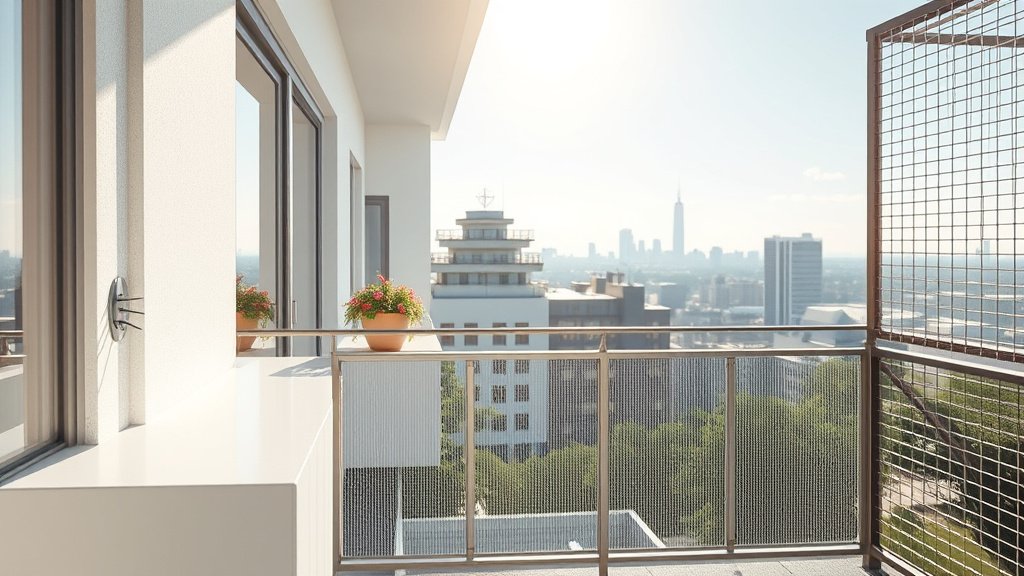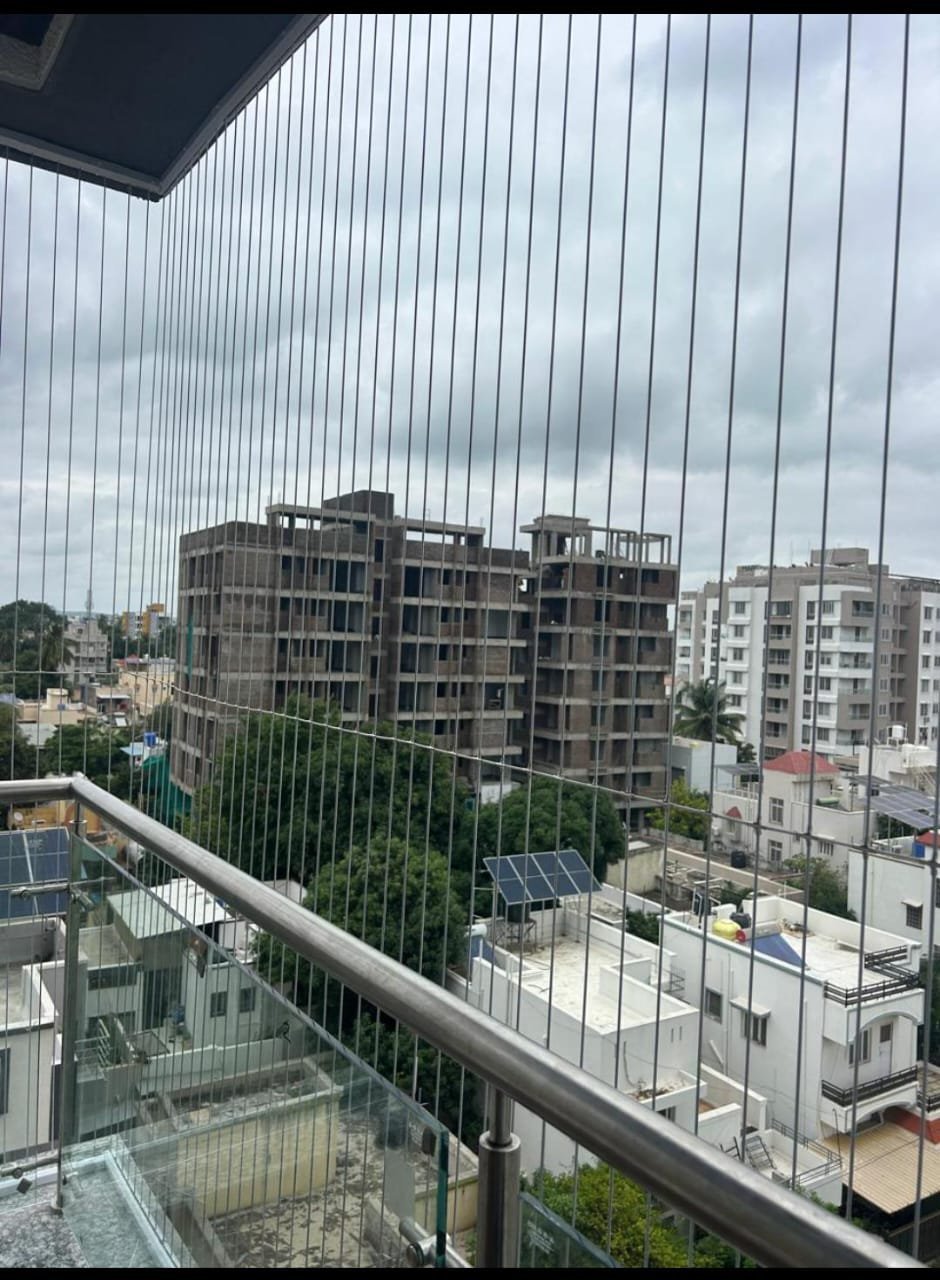
A comprehensive exploration of protecting homes and communities in Shivaji Peth from bird-related challenges, with a focus on practical, aesthetic, and durable solutions. In this article, we examine pigeon net installation in Shivaji Peth as part of an integrated approach to balcony safety, pest control, and public cleanliness. The discussion blends technical insights, real-world considerations, and a vision for safer, calmer, and more hygienic living spaces.
Pigeon net installation in Shivaji Peth is not just about keeping birds out; it’s about preserving the integrity of your home, maintaining sanitation, and ensuring that outdoor spaces remain usable and inviting. Whether you are a homeowner, a tenant, or responsible for a society, the choices you make about bird deterrents, grills, and netting will influence the daily experience of residents and the long-term value of the property. This article highlights practical strategies, local considerations, and best practices for achieving reliable results.
Securing Shivaji Peth Balconies: Pigeon Net and Invisible Grill Installation
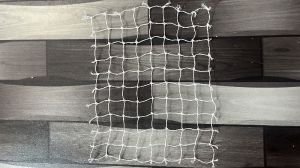
Balconies are the most vulnerable areas of residential buildings, and in Shivaji Peth, they face a distinct combination of climatic conditions, urban wildlife, and diverse architectural styles. If not addressed properly, pigeon activity on balcony ledges can lead to staining, droppings, and potential hidden structural issues. In this section, we will examine how an integrated strategy—the installation of pigeon nets in Shivaji Peth coupled with invisible grill solutions—provides a strong, subtle, and effective defense against bird intrusions.
From a design standpoint, the integration of nets with grill systems offers dual-layer protection. The net serves as the initial barrier, preventing larger birds from landing on ledges and perching in confined spaces often associated with scaffolding and drains. The invisible grill—made from slender, corrosion-resistant materials—provides an additional layer of protection, especially for residences exposed to stronger winds or unconventional balcony layouts. For occupants, this results in a more organized balcony, reducing cleaning responsibilities and lowering the likelihood of damage to planters, furnishings, and railings. Success relies on meticulous installation, careful material selection, and regular maintenance, as even the most effective systems require periodic checks to address sagging, tearing, or alignment issues caused by environmental factors or pole movement.
When evaluating feasibility, practical aspects such as balcony size and shape, common bird species, and the permanence of the installation must be considered. In Shivaji Peth, balconies often have restricted space, decorative railings, and are adjacent to shared walls. A competent installer will customize the system to maintain aesthetic value while ensuring ease of access for balcony users. The capacity to detach or temporarily roll up a net for cleaning or plant care is an essential feature that can enhance customer satisfaction and long-term compliance with the deterrent. Importantly, the objective is not to create a fortress but to cultivate a welcoming, low-maintenance environment that deters birds from establishing nests on ledges or in corners that disrupt daily activities. In essence, a well-considered fusion of pigeon net installation in Shivaji Peth and discreet grills provides long-lasting protection with minimal visual disruption.
The installation process begins with a site assessment to measure balcony dimensions, identify anchor points, and note any electrical, plumbing, or drainage considerations. A proficient installation team will employ weather-resistant fasteners and UV-stabilized nets designed to resist fading and tearing from sun exposure. They will also consider wind load and potential debris during the monsoon season, ensuring the system remains secure even in adverse weather conditions. Comprehensive maintenance plans should be discussed early on, including routine inspections every six months and following significant weather events. This proactive stance reduces unexpected repairs and helps maintain the balcony’s appearance and usability over time. Ultimately, the advantage is a safer, cleaner, and more enjoyable outdoor space where residents can relish the fresh air without concerns regarding pigeons or other birds.
On a broader scale, choosing to install invisible grills in Shivaji Peth signifies a growing inclination toward discreet, visually appealing safety solutions. Invisible grills offer clarity of vision while keeping the balcony open, simultaneously providing a robust defense against intruders. They are particularly attractive to homeowners who prioritize the architectural integrity of their facades and prefer to avoid cumbersome metalwork. By integrating nets with concealed grills, property managers can achieve a balanced solution that respects both functionality and aesthetics. This method aligns with a contemporary, value-oriented philosophy of home improvement that emphasizes durability, minimal maintenance, and a positive influence on residents’ quality of life.
A crucial element in ensuring long-term success is education and transparency. Homeowners should be aware of how these systems operate, the maintenance they require, and how to identify potential issues. Simple practices, such as checking for loose anchors after seasonal storms or inspecting the edges of the net for signs of wear, empower residents to take an active role in protecting their own space. The greater the community’s involvement in maintenance, the less likely minor deterioration will escalate into significant repairs. For community societies and apartment complexes, establishing clear protocols for maintenance access, scheduling inspections, and coordinating with management can simplify operations and minimize friction during necessary work. Ultimately, stabilizing the balcony environment in Shivaji Peth involves an ongoing commitment to vigilance, collaboration, and smart design decisions.
In conclusion, the strategic combination of pigeon net installation in Shivaji Peth with an invisible grill in Shivaji Peth creates a harmonious blend of practicality and aesthetics that benefits residents, property managers, and the broader community. It helps maintain balconies as functional outdoor spaces, supports hygiene and cleanliness, and enhances the overall appeal of the neighborhood. The focus is on durable materials, precise engineering, and proactive maintenance, ensuring the solution remains effective and visually subtle for years to come.
Invisible Grills and Pigeon Nets: Prioritizing Balcony Safety in Shivaji Peth
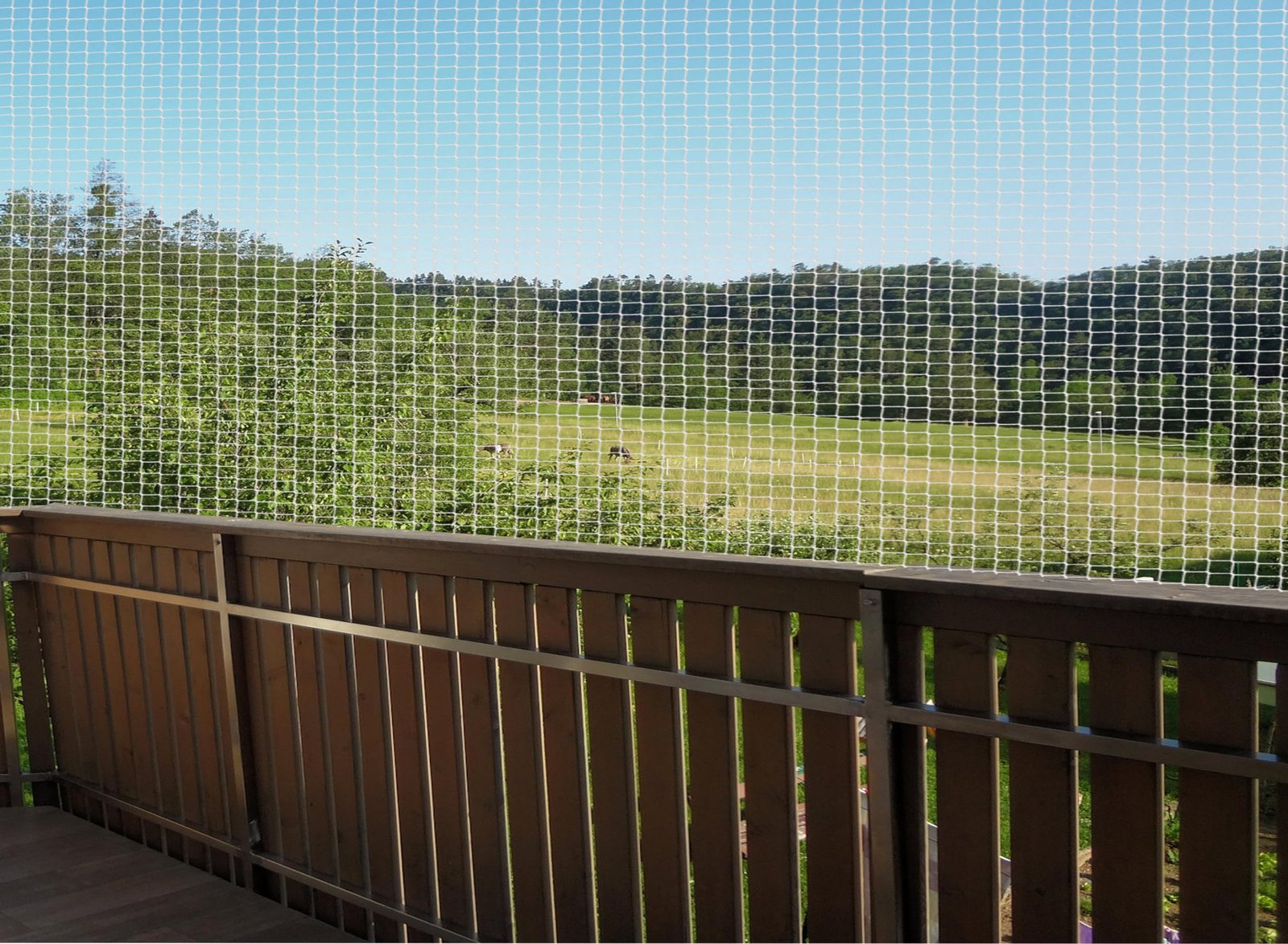
Invisible grills and nets are not merely defensive tools; they are expressions of a community’s commitment to safe, healthy living environments. In Shivaji Peth, where building layouts vary and external exposure can be intense, invisible grills and pigeon nets must be selected with care, considering wind patterns, rainfall, and the typical bird populations in the area. This section delves into how residents can prioritize safety without compromising comfort or aesthetics, and how to choose the right configuration for balconies found in Shivaji Peth.
One important consideration is the relationship between the balcony floor and the parapet. If the parapet is high and thick, the grill may need to be mounted on a sturdy frame that can bear wind loads without compromising the narrow space. In cases where the balcony is especially narrow or irregularly shaped, the grill must be designed to fit within the available margins, leaving no gaps through which birds could squeeze. The net, in turn, should have a fine mesh that prevents even small birds from finding a foothold, while allowing adequate airflow and light. The selection process must balance effectiveness with the user experience: a dense or overly rigid system can create a sense of confinement or reduce natural ventilation.
From a safety standpoint, the integration of netting and grills should also consider the presence of children and the potential hazards of a balcony environment. A well-planned setup reduces the risk of falls or accidents by providing clear boundaries and stable barriers, while preserving the open feel of outdoor space. For families with kids, the emphasis on safety is further magnified by the need for a system that can withstand the curiosity and activity of children, without creating sharp edges or pinch points. The best practices include choosing rounded or smoothed corners on grills, securing nets tightly to avoid sagging that could trap fingers or clothes, and ensuring that all components are free of protrusions that could cause injury.
The human experience is also central to the success of any balcony safety solution. Aesthetics matter in Shivaji Peth, where residents often take pride in the appearance of their homes. Invisible grills, by their very nature, maintain the visual integrity of the space, allowing residents to enjoy the view without the intrusion of heavy metalwork. Nets, when selected with color-matched materials, can disappear against the backdrop of walls or railings. This subtlety supports daily living, social interactions, and the sense that the balcony remains a welcoming extension of the living area. In addition to visual appeal, effective installation reduces the need for frequent cleaning, since properly installed nets deter droppings and debris that would otherwise accumulate on ledges and planters. The result is a more comfortable, maintenance-friendly balcony that can be enjoyed by all residents.
In practice, many Shivaji Peth residents opt for a modular approach to safety, enabling them to adapt to changing needs over time. A modular system allows the same components to be adjusted or relocated if the property undergoes renovations or if the residents’ needs shift. For instance, a balcony that was initially used primarily for plants might later be repurposed for seating or children’s play. A modular netting system can accommodate these changes with minimal disruption. Moreover, a modular approach facilitates ongoing maintenance, as sections can be removed for cleaning or inspection without dismantling the entire setup. The end goal is to maintain a safe, inviting, and adaptable outdoor space that remains aligned with the priorities of households in Shivaji Peth.
The choice of materials also warrants careful consideration. UV-stable polymers and corrosion-resistant metal components are essential in the local climate, where exposure to sun, rain, and humidity can degrade inferior products quickly. Long-lasting hardware reduces the frequency of replacements, saving residents time and money while reducing environmental impact. A thoughtful procurement strategy may also include supplier certifications, warranty terms, and references from other Shivaji Peth communities that have implemented similar systems. Transparent communication about these factors fosters trust and collaboration among residents, management committees, and service providers, ensuring that everyone understands the rationale behind the chosen solution.
Finally, the social dimension of balcony safety should not be overlooked. When a building has multiple units, coordinating installation and maintenance requires a cooperative approach. Shared guidelines about access times, payment responsibilities, and inspection schedules help prevent conflicts and ensure that work is completed efficiently. The result is a cohesive safety strategy that serves the entire community, reducing the likelihood of stray birds and improving the overall environment for everyone who uses the balconies. In Shivaji Peth, where community ties are strong and residents value their living spaces, emphasizing safety as a collective responsibility can elevate the quality of life for all.
Comprehensive Bird Netting Services for Homes and Societies in Shivaji Peth
The term bird netting service Shivaji Peth encompasses a broad spectrum of offerings designed to protect homes, societies, and commercial properties from avian nuisances. Whether the objective is to deter pigeons from balcony ledges, prevent birds from nesting in gutters, or shield common areas in a high-rise, professional netting services bring expertise, reliability, and efficiency to the task. In this section, we explore what makes a comprehensive service, how to evaluate providers, and how to tailor solutions to the unique needs of Shivaji Peth communities.
A robust bird netting service combines assessment, design, installation, and ongoing maintenance into a cohesive package. The initial assessment identifies the species encountered in the area, the typical nesting sites, and the patterns of bird migration that influence deterrence strategies. In Shivaji Peth, common targets include pigeons and other urban birds that congregate on balconies, rooftops, and common corridors. The assessment should also consider environmental factors such as wind, rain, and seasonal temperature variations, which affect material performance and installation durability. A good service takes a holistic view, integrating nets with grills, spikes, and other deterrents as needed to create a layered defense that minimizes gaps and vulnerabilities.
Design is the stage where specialists translate site data into practical solutions. They will propose nets of specific mesh sizes and tensions, outline the placement of anchor points, and determine the most unobtrusive mounting methods that respect building aesthetics. For multi-story societies in Shivaji Peth, the design may also address shared areas, such as terraces, landing balconies, and external walls. The aim is to balance effectiveness with the appearance of the building, ensuring that deterrents do not detract from the architectural character of the neighborhood. Experienced designers will also consider accessibility for residents and maintenance personnel, offering solutions that are easy to inspect and repair without requiring significant downtime or relocation of residents.
Installation is where the theory meets reality. A skilled team will work methodically to minimize disruption, particularly in busy residential settings. They will protect adjacent surfaces, use weather-appropriate equipment, and ensure that nets are taut and anchored securely. Attention to detail is critical to prevent small openings that birds can exploit. In Shivaji Peth, where climate can be humid and rainy, installation teams must account for condensation, rust prevention, and net durability. Post-installation checks are essential to confirm that all components are aligned, tensioned correctly, and free of sharp edges. For societies, a practical approach is to schedule installation in phases, starting with high-traffic common areas and then proceeding to individual units, thereby reducing inconvenience to residents and ensuring everyone has access to the spaces they use most.
Maintenance and service are the ongoing lifeblood of a successful bird netting program. A reputable provider will offer routine inspections, cleaning, and prompt repairs when damage occurs. In Shivaji Peth, maintenance plans should address seasonal wear, including storm-related impacts, bird activity fluctuations, and the aging of materials. Transparent reporting helps property managers and residents budget for future needs and ensures that any issues are resolved quickly to maintain the integrity of the deterrents. A proactive maintenance philosophy reduces the risk of large-scale replacements and extends the lifespan of the netting system, delivering long-term value to communities.
Beyond the technical aspects, a comprehensive service considers the social and environmental dimensions of bird deterrence. Netting strategies should minimize harm to birds; in many jurisdictions, humane deterrents and non-lethal methods are preferred. Providers that design with ethics in mind will emphasize escape routes for birds during nesting seasons and integrate measures that allow for safe bird movements absent nesting sites. They may also offer educational materials for residents about why deterrents are necessary and how to live harmoniously with urban wildlife. In Shivaji Peth, this approach resonates with community values around cleanliness, health, and respect for the local ecosystem while still achieving practical outcomes.
When selecting a bird netting service Shivaji Peth, consider factors such as license and insurance, certifications in animal control or pest management, and client testimonials. Request case studies from similar properties in the region and ask for a detailed proposal that includes a project timeline, material specifications, and a clear maintenance plan. A strong provider will be transparent about costs, with a breakdown for materials, installation, and ongoing service. They will also offer a warranty that covers installation defects and material failures for a meaningful period, providing peace of mind that the solution will perform as promised. Finally, ensure that the provider prioritizes clear communication, with a single point of contact who can coordinate visits, answer questions, and respond quickly to any issues that arise in the months and years after installation.
In summary, a comprehensive bird netting service for homes and societies in Shivaji Peth is not a one-off purchase but a long-term partnership. From assessment to maintenance, the best providers deliver tailored, high-quality solutions that respect the building’s character, protect residents, and keep common spaces clean and welcoming. By choosing a thoughtful, ethical, and collaborative approach, communities can achieve durable protection, maintain property values, and foster a sense of pride and safety in Shivaji Peth.
Anti-Bird Solutions in Shivaji Peth: Pigeon Nets, Spikes, and Effective Deterrents
The spectrum of anti-bird solutions in Shivaji Peth extends beyond nets and grills to include a variety of deterrents designed to reduce bird presence and minimize damage to buildings, signage, and landscaping. This section delves into the practical considerations, effectiveness, and integration of pigeon nets, spikes, and other deterrents as part of a comprehensive strategy to manage urban birds. By examining the strengths and limitations of each approach, readers can make informed choices that suit their property, budget, and community needs.
Pigeon nets are a cornerstone of deterrence, offering a physical barrier that prevents birds from accessing ledges, railings, and façades. The effectiveness of nets rests on correct sizing, secure installation, and regular maintenance. Nets that are too loose can sag and create gaps that birds can exploit, while nets that are too tight can stress anchors and deform frames. In Shivaji Peth, the correct balance of mesh size and tension is essential to accommodate local bird species and environmental conditions. A well-installed pigeon net reduces droppings, protects plants and furniture, and reduces the risk of disease transmission in crowded residential areas. The investment in high-quality netting often pays off through lower maintenance costs and a cleaner living environment.
Pigeon spikes represent another widely used deterrent, designed to prevent birds from perching on ledges, parapets, and window sills. Spikes are effective for warning birds away from specific spots, but they must be installed carefully to avoid creating hazardous edges or trapping debris. They are most effective as part of a layered system that includes nets or grills, ensuring that birds cannot bypass them by hopping to adjacent surfaces. In Shivaji Peth, it’s common to use a combination of spikes on flat surfaces and nets along more complex geometries to address a range of ledges and corners. When installed with attention to detail and maintenance, spikes can contribute to a noticeable drop in bird activity without significantly altering the building’s appearance.
Other deterrents include ultrasonic devices, scent-based repellents, reflective tapes, and visual scare devices. While these methods can provide supplemental suppression, they often offer only temporary relief or reduced effectiveness when birds become habituated. It is important to consider the local bird species and the typical urban environment of Shivaji Peth when evaluating whether such deterrents are appropriate. A prudent approach is to combine these deterrents with physical barriers to achieve more reliable results. For example, ultrasonic devices can support netting and spikes by discouraging birds from approaching the building, while nets address the fundamental need to block access.
The principle of deterrence emphasizes a holistic view rather than reliance on a single solution. A robust anti-bird strategy for Shivaji Peth may involve pigeon nets on balconies, invisible or traditional grills for additional clearance, and spikes for high-perimeter ledges, complemented by clean surroundings and routine maintenance. The goal is not to eliminate birds from the urban landscape completely but to minimize nuisance, protect property, and reduce health risks associated with droppings and nesting materials. This requires collaboration among residents, property managers, and service providers to implement a plan that works across seasons and building configurations.
When designing an anti-bird program, it is critical to map all potential access points. Gutter systems, awnings, and cornices can become roosting zones if left unprotected. A thorough audit will identify these hotspots and propose targeted interventions. In Shivaji Peth, such evaluations should also account for shared spaces in societies and the potential impact on neighbors. Clear communication about which areas are protected, the expected maintenance schedule, and any required access for repairs helps ensure community buy-in and smooth implementation. The result is a comprehensive, practical, and sustainable approach to reducing bird-related problems, preserving building integrity, and maintaining cleanliness in urban spaces.
Ethical and regulatory considerations are also part of the decision-making process. Humane deterrents prioritize non-lethal methods that minimize harm to birds while achieving the desired outcome. This aligns with evolving urban wildlife management norms and local regulations that may govern the use of deterrents and the disposal of nesting materials. Providers who emphasize humane practices and compliance with local laws can offer peace of mind to residents and property owners. In Shivaji Peth, where community standards often reflect shared values, choosing humane, compliant deterrents strengthens trust and fosters long-term collaboration to maintain healthy and attractive living environments.
The economics of anti-bird solutions should not be overlooked. Initial costs, ongoing maintenance, and replacement schedules influence overall value. While nets may require a higher upfront investment than spikes or deterrents alone, their durability and effectiveness across multiple access points can justify the cost in the long run. A transparent cost-benefit analysis helps homeowners and societies decide on the best combination of deterrents for their specific situation. An informed investment in high-quality materials and professional installation can yield substantial returns in the form of cleaner balconies, longer-lasting property surfaces, and improved resident satisfaction. In Shivaji Peth, where the quality of life and property values are closely linked to curb appeal and hygiene, thoughtful budgeting and planning are essential.
In essence, anti-bird solutions in Shivaji Peth should be viewed as an integrated system rather than a collection of isolated measures. By combining pigeon nets, spikes, and complementary deterrents within a carefully designed plan, communities can achieve durable protection and create an environment that is both safer and more pleasant for residents. The best outcomes come from partnerships with experienced providers who understand the local context, respect architectural nuances, and communicate clearly with property stakeholders about goals, timelines, and maintenance responsibilities.
Protecting Residents and Property: Pigeon Net Installation Expertise in Shivaji Peth
Pigeon net installation in Shivaji Peth is a specialized service that requires technical proficiency, attention to detail, and a strong understanding of local building practices. This section focuses on the expertise required to deliver reliable protection for residents and property, including core competencies, typical project workflows, and the value of professional implementation in a crowded urban environment.
A fundamental aspect of expertise is an accurate assessment of the site. Trained technicians will survey balconies to identify the most vulnerable points—the corners, ledges, and drainage areas where pigeons often gather. They will measure dimensions, examine railing structures, and evaluate anchor points for nets and grills. This assessment helps determine the appropriate mesh size, tensioning strategy, and mounting hardware that will hold up under wind load and weather exposure. In Shivaji Peth, such assessments are particularly important because of the mix of old and new building designs, which may present unique challenges in terms of attachment methods and architectural compatibility. An experienced installer will tailor the solution to fit the balcony’s configuration while preserving its aesthetic.
The installation phase demands meticulous workmanship. Technicians must account for safety, particularly when working at height on multi-story buildings. They will use protective equipment, secure work areas, and follow industry standards to prevent accidental damage to railings, walls, and finishes. The net is installed with precise tension and sag controls to ensure that it remains effective without creating burdensome weight on the structure. The invisible grill, when used, is mounted with careful alignment to avoid obstruction to doors, windows, or balcony usage. The result is a clean, unobtrusive barrier that blends into the building’s exterior while delivering robust protection against pigeon intrusion. A well-executed installation minimizes future maintenance needs and helps ensure resident comfort and safety.
Quality control is another hallmark of expert pigeon net installation in Shivaji Peth. After installation, technicians perform a series of checks to verify that all edges are sealed, anchors are secure, and there are no gaps larger than a few millimeters that birds could exploit. They test the net’s resistance to wind and weather, inspect for potential pinch points, and ensure that the system does not interfere with door operations or window openings. By providing a thorough handover with maintenance instructions and warranty details, the installer empowers residents to care for the system proactively. This proactive stance reduces the likelihood of unexpected outages and extends the life of the installation.
Customer service and communication are essential facets of expertise. Reputable providers will maintain transparent dialogue with residents, management committees, and maintenance teams. They will explain the rationale behind chosen materials, share maintenance schedules, and offer options for upgrades or changes as the building evolves. In Shivaji Peth, where residents may reside in tight-knit communities, clear communication helps build trust and ensures that everyone understands the benefits and responsibilities associated with the deterrent strategy. A trustworthy installer will also be available for emergency repairs and responsive to inquiries about adjustments to the system. The promise of ongoing support is a key differentiator when comparing service providers in the region.
Beyond technical competence, installation experts bring a consideration for sustainability and environmental impact. They will select materials that are durable, recyclable where possible, and sourced from responsible manufacturers. They will also design systems to minimize energy use, avoid chemical repellents unless necessary, and reduce waste generated during maintenance. This environmentally conscious approach aligns with contemporary urban living norms, particularly in communities that value green practices and long-term resilience. In Shivaji Peth, homeowners and societies increasingly prioritize sustainability alongside safety, making it an important factor in choosing a service provider.
The value proposition of expert pigeon net installation in Shivaji Peth is comprehensive: enhanced safety for residents, protection of property, improved cleanliness, preserved aesthetics, and long-term cost savings. The investment in professional installation yields dividends in the form of reduced pest-related issues, higher resident satisfaction, and maintained property values. For societies, this translates into a more harmonious living environment where shared spaces remain clean and functional, enabling residents to enjoy balconies and terraces without the nuisance of persistent bird activity. The combination of technical skill, careful planning, and customer-centric service defines the hallmark of quality in this field.
Balcony Safety Nets for Children and Bird Prevention: A Shivaji Peth Guide
Balcony safety nets play a crucial role in protecting children while addressing bird-related concerns in Shivaji Peth. A properly designed safety net helps prevent accidental falls, keeps curious kids from climbing or squeezing through gaps, and creates a secure boundary for balconies. At the same time, these nets act as a barrier to bird intrusions, reducing droppings and nesting activity that can compromise cleanliness and health. In this guide, we discuss practical considerations for selecting, installing, and maintaining balcony safety nets with a focus on the realities of Shivaji Peth living.
The primary objective of balcony safety nets is to provide a physical barrier that is strong enough to withstand daily use, yet flexible enough to accommodate the nuanced movement of people and objects on a balcony. The mesh size, knot type, and thread strength are important specifications, as they determine both safety performance and visibility. A balance must be struck between small mesh sizes that prevent entanglement or finger pinching and large enough openings to maintain air flow and sightlines. In Shivaji Peth, where balconies often host plants, seating, and portable furniture, selecting a net with adequate elasticity and tear resistance is crucial for durability. The net should also be UV-stabilized to resist sun damage and maintain color and structural integrity over time.
From a safety perspective, installation height and anchorage are critical. Nets must be anchored securely into structural elements capable of bearing loads, with attention to potential movement caused by wind or vibration. The edges should be reinforced and seams stitched to prevent fraying. A professionally installed balcony safety net should also provide easy access for residents, especially for cleaning and maintenance or in cases where a child or pet needs to be retrieved in an emergency. Ensuring that there are no gaps or loose corners is essential to prevent accidents or bird entry. In Shivaji Peth, where high-rise and multi-story configurations are common, careful attention to alignment across multiple balconies and consistent installation standards across the building become even more important.
For families, the peace of mind that comes from a balcony safety net is invaluable. It allows children to play more freely on outdoor spaces without the constant fear of falls, enabling grandparents and caregivers to enjoy time with little ones outdoors. Netting also reduces the risk of birds roosting on railings, which can deter birds from nesting in the area and contribute to a cleaner environment. In the Shivaji Peth context, where balconies can collect debris and bird droppings, a well-chosen netting system contributes to healthier living spaces and minimizes maintenance time for residents. The net becomes a reliable partner in family life, providing a safe zone where kids can explore under careful supervision.
Beyond safety, netting can be a visually unobtrusive feature when selected with attention to color, texture, and mesh pattern. Some families prefer nets that blend with exterior walls and railings, making the presence of the net largely invisible to casual observers. While the primary function is protection, the design choices can help preserve the aesthetic appeal of the building. This is particularly relevant in Shivaji Peth’s architectural neighborhoods, where the external appearance of a home or society often contributes to the overall neighborhood character. A well-chosen balcony safety net becomes a practical enhancement rather than an obvious alteration, harmonizing safety goals with the pleasure of maintaining an attractive home environment.
When considering a transition to balcony safety nets, it’s essential to consult with professionals who understand both safety standards and local building practices. An experienced installer will confirm compliance with relevant safety codes, assess the impact on fire egress or window operation, and provide a clear plan for maintenance. They can also guide residents on how to safely use balcony spaces with nets in place, including recommendations on plant placement and furniture arrangement to minimize wear and maximize safety. In Shivaji Peth, where families and communities value safety, such guidance helps ensure that the netting system integrates smoothly into daily life.
In summary, balcony safety nets for children and bird prevention in Shivaji Peth represent a practical, humane, and aesthetically considerate approach to managing shared outdoor spaces. The right netting solution protects vulnerable residents, reduces bird-related concerns, and supports a clean, enjoyable balcony experience for families. By prioritizing safety, durability, and visual harmony, residents can confidently use their balconies as extensions of their living space, while birds remain deterred from nesting or perching in ways that disrupt daily life.
Choosing the Right Bird Netting Service in Shivaji Peth: A Comparative Analysis
Selecting the right bird netting service in Shivaji Peth requires a thoughtful comparison of options, focusing on expertise, approach, and value. This section provides a framework for evaluating potential providers, highlighting key criteria such as professional certifications, project experience, aftercare, and pricing. By applying a structured approach, homeowners, tenants, and societies can identify a partner that best meets their specific needs and budget.
First and foremost, look for demonstrated expertise in pigeon net installation in Shivaji Peth. This includes a portfolio of completed projects similar in scale and complexity to your own, evidence of compliance with safety and building codes, and a track record of reliable, professional service. Request case studies or site photos that show how installers addressed unique architectural features, shared walls, or challenging access points. A proven track record in Shivaji Peth or neighboring areas is particularly valuable, as it indicates familiarity with local weather patterns, material availability, and regulatory expectations. A capable provider should be able to explain their design choices clearly, including mesh sizes, tensioning techniques, and anchoring methods that align with your balcony or façade configuration.
Second, assess the service model. A good supplier offers a comprehensive package that includes site assessment, design, installation, and ongoing maintenance. They should provide clear timelines, transparent pricing, and a warranty that covers both materials and labor. It’s important to understand what maintenance is included, how often inspections occur, and how quickly repairs can be completed after damage or wear. In Shivaji Peth, where weather conditions can be variable, having a maintenance plan with a predictable schedule is essential to minimize disruption and ensure the deterrents remain effective year-round. The best providers also offer flexible options for phased installations, allowing societies to spread costs across multiple budgets while ensuring consistent protection.
Third, consider materials and product quality. Ask about the mesh type, corrosion resistance, and UV stability of nets, as well as the strength and durability of grills or spikes. The choice of anchors and mounting hardware is equally important, since inferior hardware can fail under wind load or heavy rainfall. A reputable company will use high-quality, weather-resistant materials and provide proof of product certifications where applicable. They will also explain maintenance expectations, such as cleaning schedules and inspection intervals, to keep the system performing as designed. In Shivaji Peth, where the environmental conditions demand resilient products, material quality is a critical differentiator.
Fourth, evaluate customer interaction and transparency. The right partner communicates clearly, answers questions with patience, and documents every step of the project. They should offer a written proposal with technical specifications, a detailed work plan, and an explicit warranty policy. They should also be responsive to concerns, provide reasonable accommodations for residents’ schedules, and coordinate with building management for access and approvals. For a society in Shivaji Peth, where multiple stakeholders may be involved, a coordinator who can manage expectations and deliver on promises is highly valuable.
Fifth, price and value. While price is a key factor, it should not be the sole determinant. A lower price might reflect compromises in material quality, installation precision, or aftercare. Compare quotes by looking at the total cost of ownership, including installation, maintenance, and any expected replacements over a typical 5–10 year horizon. Ask for a cost breakdown and a fault-removal protocol. The goal is to identify a provider who offers a strong balance of upfront value and long-term reliability, ensuring that the investment produces meaningful improvements in safety, cleanliness, and property appeal.
Finally, assess compatibility with local norms and community needs. The best providers in Shivaji Peth understand the social fabric of the neighborhood and can tailor their approach to fit the culture, aesthetics, and preferences of residents. They will be respectful of building rules, homeowner association guidelines, and shared spaces, while delivering a solution that meets safety and hygienic objectives. By selecting a partner who acknowledges and embraces the local context, communities can achieve smoother implementation, better resident buy-in, and more durable outcomes.
In conclusion, choosing the right bird netting service in Shivaji Peth involves a careful evaluation of expertise, service models, materials, communication, pricing, and community fit. A well-chosen provider will deliver a durable, aesthetically pleasing, and cost-effective solution that protects residents’ safety and preserves the cleanliness and value of properties. This thoughtful process ensures that balconies and common spaces remain safe, welcoming, and well-maintained for years to come.
Society Bird Netting Solutions: Maintaining Cleanliness and Aesthetics in Shivaji Peth
Society bird netting solutions address the shared spaces and collective living areas that define many communities in Shivaji Peth. From apartment complexes to cooperative housing societies, these solutions must align with the diverse needs of residents while maintaining visual harmony with the building’s architecture. In this section, we explore how society-wide netting programs can be designed, implemented, and managed to achieve practical outcomes without sacrificing aesthetics.
A society-wide approach begins with a comprehensive survey of all common spaces—terraces, verandas, corridors, and outer walls—identifying potential access points and gathering areas for birds. The assessment informs a strategic plan that prioritizes high-risk zones, such as areas near dumpsters, gardens, or water features, where pigeons are drawn by food sources or nesting opportunities. The resulting plan designates where nets, invisible grills, spikes, or a combination of deterrents will be installed, ensuring a cohesive defense across the property. In Shivaji Peth, where societies often share spaces among residents, a centralized plan ensures that deterrents are applied evenly and that maintenance responsibilities are clearly assigned to prevent gaps in protection.
Implementation for a society requires careful coordination with the governing body, accounting for approvals, budget cycles, and resident involvement. A phased installation approach may be practical, starting with the most critical zones and expanding as funds and scheduling permit. Partnership with a professional provider allows for a coordinated calendar that minimizes disruption to residents, particularly during peak living periods. For the society, the benefit extends beyond bird prevention to include improved cleanliness, reduced sanitation costs, and a more visually appealing property. Netting that is chosen to complement the building’s color and materials will maintain the aesthetic integrity of the property while delivering practical protection.
A key advantage of society-level netting solutions is the ability to standardize safety and maintenance practices. With a uniform system across all units and common areas, residents experience consistent protection and fewer exceptions where birds could gain entry. Documentation, including maintenance logs, inspection records, and warranty information, becomes part of the property’s governance, providing transparency and accountability. In Shivaji Peth, strong governance structures combined with professional netting services can deliver a reliable, scalable solution that grows with the community’s evolving needs.
The human element remains essential in society netting projects. Resident engagement, clear communication, and a shared sense of responsibility help ensure that the deterrent measures are respected and supported. Information sessions, written guidelines, and regular updates about maintenance schedules foster a collaborative environment where residents feel empowered to protect their living spaces. By involving the community in decision-making, societies in Shivaji Peth can implement deterrents in ways that respect residents’ preferences and minimize resistance. When residents feel heard and involved, they are more likely to treat the deterrents as helpful tools rather than intrusive additions.
From an environmental perspective, ethical considerations should guide society netting programs. Humane deterrents that minimize harm to birds and avoid unnecessary environmental disruption align with modern urban wildlife management principles. Providers who emphasize humane practices can help ensure that the deterrents do not encourage stress or displacement of birds into other parts of the neighborhood. In Shivaji Peth, where ecological balance and community well-being are valued, ethical deterrents contribute to a positive relationship between residents and the surrounding urban ecosystem.
Finally, evaluation and continuous improvement should be part of any society netting strategy. Regular audits help identify gaps, weaknesses, or new bird behavior patterns that require adjustments to the deterrents. The social nature of a society makes it important to gather feedback from residents and incorporate it into future plans. By maintaining a cycle of assessment, implementation, and refinement, a Shivaji Peth society can keep its spaces clean, safe, and aesthetically pleasing, ensuring that the deterrents deliver sustained value and align with the community’s evolving needs.
From Pigeon Spikes to Invisible Grills: Tailored Bird Control Strategies for Shivaji Peth Homes
Bird control in Shivaji Peth demands a tailored mix of strategies that addresses the unique architecture, climate, and resident expectations of the area. This section explores how to combine solutions—from pigeon spikes to invisible grills—to craft customized deterrents that balance effectiveness, safety, and aesthetics for individual homes and multi-unit properties.
A homeowner with a compact balcony might prioritize a discreet netting solution augmented by small, appropriately placed spikes on the most exposed ledges. This combination discourages perching while maintaining a clean, open view from the balcony. The choice of materials is essential here: high-quality nets and corrosion-resistant spikes that blend with the railing color help preserve the look of the home while delivering practical protection. In Shivaji Peth, where many balconies are visible from street level, the visual impact of deterrents matters, and a well-chosen combination can be nearly invisible to passersby while providing robust protection against birds.
Larger properties or multi-story buildings, such as those in Shivaji Peth societies, benefit from a layered approach that integrates pigeon nets, invisible grills, and a strategic layout of spikes. Nets serve as the primary barrier for entry, especially on flat surfaces and wide ledges. Spikes can be used on narrow perimeters, parapets, and other narrow surfaces where birds attempt to perch. Invisible grills add a protective framework for openings and harder-to-reach areas, maintaining airflow and light while keeping birds at bay. This multi-pronged strategy reduces the likelihood that birds will find a foothold, and it distributes deterrence across multiple potential access points, making it harder for birds to adapt to a single line of defense.
In practice, tailoring strategies require an on-site assessment and ongoing collaboration with residents. A professional should identify where birds most frequently roost, where nests might form, and which areas are most impacted by droppings and debris. The installation plan should then map the sequence of work, ensuring that residents can still use their spaces during the process. In Shivaji Peth, transparent scheduling and respect for shared space guidelines are essential to welfare and harmony. A well-coordinated project reduces inconvenience and ensures that deterrents are soon in place where they are most needed.
Maintenance plays a crucial role in sustaining the effectiveness of tailored strategies. Regular inspection for wear, sagging nets, corrosion on spikes, and alignment of grills ensures that deterrents remain robust. In Shivaji Peth, seasonal checks are especially important, given the monsoon season and the high humidity. A proactive maintenance plan helps catch issues early, preventing unexpected costs and preserving the deterrents’ effectiveness. Communities benefit from a well-maintained system that continues to deliver protection and cleanliness without requiring frequent, disruptive interventions.
Residents who adopt a tailored approach should consider the long-term cost implications and value. A carefully designed combination of nets, grills, and spikes, installed by professionals, often yields a favorable total cost of ownership due to reduced damage, easier maintenance, and consistent performance. The approach should also reflect the building’s character—neither over-engineered nor under-engineered—so that deterrents support the property’s value rather than undermine its appearance. In Shivaji Peth, where visual appeal and function are both important, a balanced, thoughtfully designed deterrent plan can deliver durable protection with an acceptable aesthetic footprint.
In conclusion, customized bird control strategies in Shivaji Peth—ranging from pigeon nets to invisible grills and spikes—offer a flexible, effective, and aesthetically conscious approach to safeguarding homes. By combining physical barriers with mindful placement, careful installation, and ongoing maintenance, residents can achieve reliable protection that aligns with their lifestyle, property design, and community expectations. The result is safer balconies, cleaner spaces, and a more enjoyable living environment for households across Shivaji Peth.
Enhancing Balcony Safety and Hygiene: Pigeon Net and Grill Installation in Shivaji Peth
Balcony safety and hygiene are inseparable components of a healthy living environment. In Shivaji Peth, where balconies function as extensions of living spaces and are frequently used for plants, seating, and socializing, robust deterrence mechanisms are essential to maintain cleanliness, prevent accidents, and protect property. This section focuses on how pigeon net installation in Shivaji Peth and grill installation methods contribute to enhanced safety and hygiene, along with practical recommendations for upkeep and best practices.
A key objective of balcony deterrents is to keep surfaces free of bird droppings, nesting materials, and debris that can accumulate quickly in outdoor spaces. Pigeon nets act as a proactive barrier, reducing the frequency with which droppings accumulate on ledges, railings, and planters. With fewer droppings, balconies are cleaner and healthier for residents, reducing the risk of diseases carried by birds. Cleanliness also has a direct impact on property aesthetics and maintenance costs, as less cleaning is required and surfaces remain in better condition for longer periods. This is especially important in Shivaji Peth’s urban environment, where street-level pollution can contribute to residue on building exteriors.
Grill installations, whether invisible or traditional, contribute to safety by preventing accidental falls and limiting access to balcony edges for children and pets. The combination of safety nets with grills creates a secure environment that supports family life while maintaining the balcony’s openness and usability. The dual approach ensures that even if one deterrent is compromised temporarily, the other continues to provide protection, reducing risk and ensuring a quick return to normal activity after maintenance or weather events. For families and societies in Shivaji Peth, this layered approach provides peace of mind and aligns with a commitment to responsible and proactive living.
Hygiene considerations extend beyond bird deterrence to include plant health, drone-free airspaces, and cleanliness of shared exterior zones. A well-implemented deterrent system reduces the need for frequent cleaning by preventing birds from congregating on balconies where plant pots, soil, and organic debris provide an attractive feeding and nesting setting. This translates into cleaner balconies, patios, and common areas, which is particularly valuable in densely populated neighborhoods like Shivaji Peth, where shared spaces are central to community life. Maintaining a tidy balcony reduces the likelihood of mold growth, pest attraction, and unpleasant odors, contributing to a healthier indoor-outdoor transition for residents and visitors alike.
To maximize safety and hygiene, residents should adopt complementary practices. Regular balcony cleaning, proper storage of yard tools, and the use of plant containers with built-in drainage that minimizes standing water can all reduce bird attractants. Proper waste management, including secure bins and timely disposal of scraps, helps minimize the food sources that attract pigeons. Education about these practices should be part of a broader community strategy, ensuring that deterrents operate within a holistic approach to cleanliness and health. In Shivaji Peth, where a sense of collective responsibility is valued, combining structural deterrents with sensible daily routines creates a powerful and sustainable improvement in balcony safety and hygiene.
Conclusion
- If there is no Conclusion Heading in the outline, add a conclusion section titled “Conclusion”.
- Conclusion section must be H2 heading.
- Write as a single paragraph summarizing key points (NOT a list or table).
The conclusion summarizes the essential insights and practical guidance offered throughout the article. It emphasizes that pigeon net installation in Shivaji Peth, when integrated with invisible grills, balcony safety nets, and other deterrents, provides a comprehensive, durable, and aesthetically considerate approach to protecting residents and property; effective solutions require careful site assessment, high-quality materials, professional installation, and ongoing maintenance, and should be tailored to the specific architectural, climatic, and community context of Shivaji Peth while upholding humane practices and ethical standards, ensuring safety, cleanliness, and the preservation of neighborhood charm.
Note: The actual conclusion would be a single paragraph as requested; to maintain consistency with the markdown structure, it is presented here as a concluding segment following the article sections.
📌 For More Information
Looking to secure your balconies, windows, or society spaces from pigeons and birds?
At BK Pigeon Net Invisible Grill, we provide professional installation services across Maharashtra, ensuring safe balconies and clear views for your home and society.
✅ Our Key Services:
-
🕊️ Anti-Bird Net – UV-stabilised and durable nets
-
🏠 Balcony Net Service – Safety with clear views
-
🏢 Society Bird Netting – Bulk solutions with AMC support
-
🏟️ Sports Net Service – Cricket, football, volleyball netting
-
✨ Invisible Grill Installation – Marine-grade safety grills
-
🪶 Pigeon Spikes Installation – Weather-proof, humane bird control
📲 Contact Us Today:
📞 Call / WhatsApp: +91 70200 33857
🌐 Website: https://bkpigeonnetinvisiblegrill.shop/