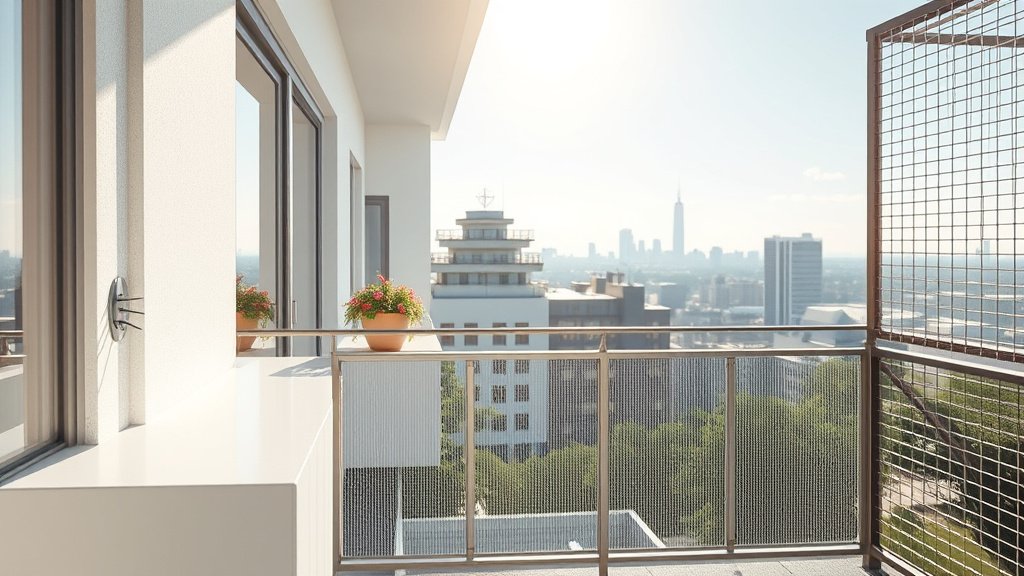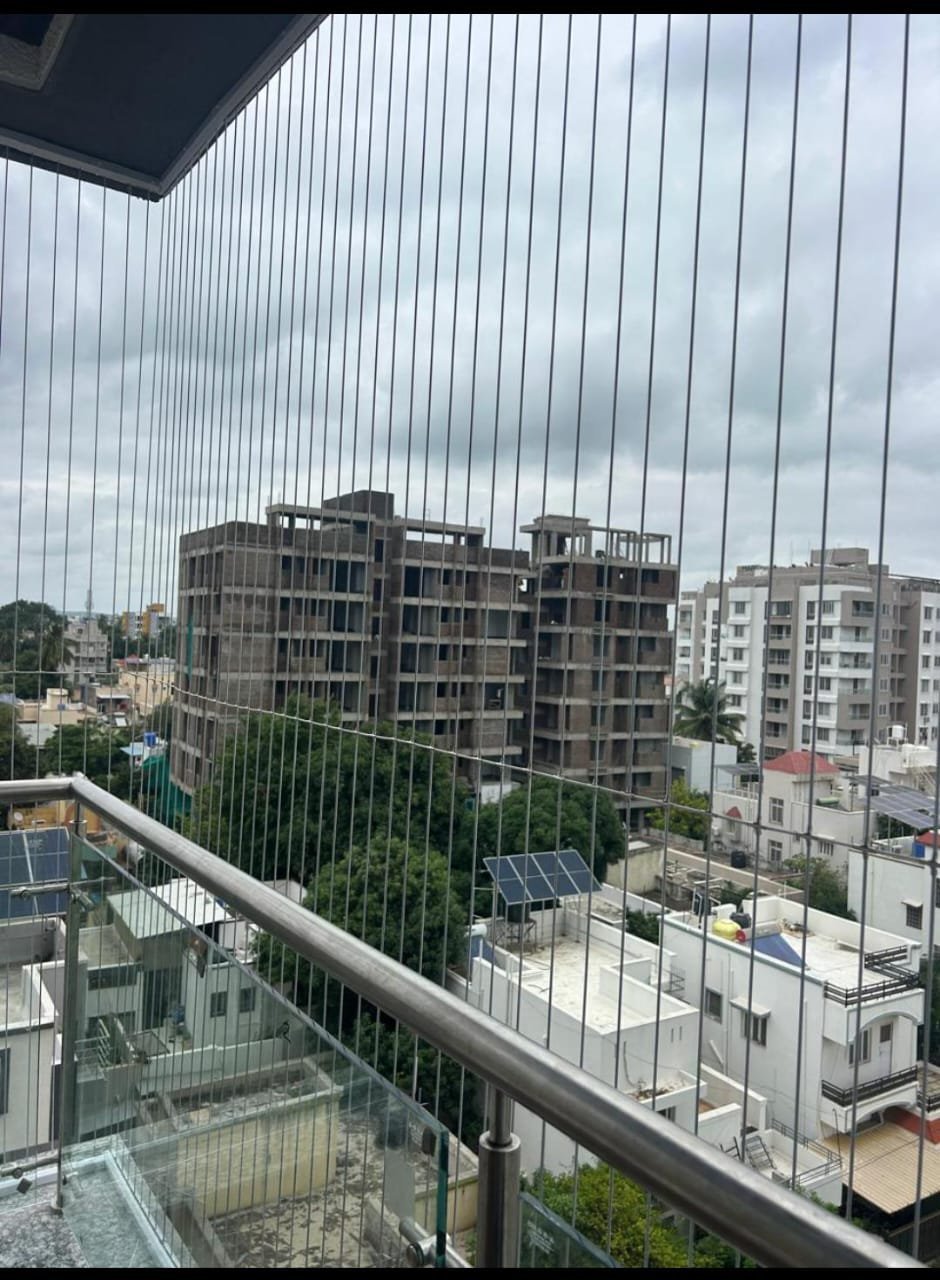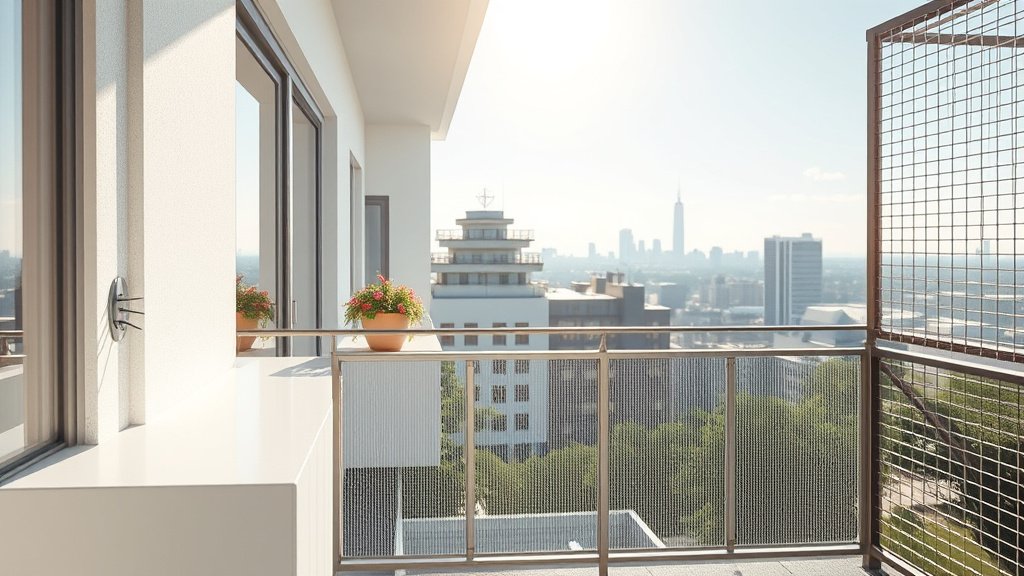
The bustling streets and balconies of Kanchanwadi inspire a practical approach to protecting homes and common areas from birds. This article delves into the world of bird control and safety installations, focusing on the key services around pigeon net installation in Kanchanwadi, with a view toward long-term protection, aesthetics, and community well-being. It covers options from visible to invisible barriers, maintenance considerations, and how to choose a reliable bird control partner to keep balconies, terraces, and common spaces free from the nuisance and health concerns associated with birds.
Bold highlight: pigeon net installation in Kanchanwadi is not just about stopping birds; it’s about investing in sustained safety and comfort for residents, visitors, and the building’s structural integrity.
Pigeon net installation in Kanchanwadi
Before diving into the details, it helps to set expectations about what pigeon net installation in Kanchanwadi entails. Netting systems can be tailored to different architectural layouts—balconies, corridors, stairwells, and courtyard spaces—and are designed to last through monsoons, heat, and seasonal bird activity. The right installation blends into the building’s exterior while delivering robust bird deterrence.
For residents and association committees, choosing the right system means balancing effectiveness, cost, and upkeep. A well-installed pigeon net is not merely an obstacle for birds; it is a proactive measure that preserves roofing, paint, and insulation while reducing health risks and noise disturbances. In Kanchanwadi, where apartments often share walls and tight balconies, structural considerations matter: nets must be tensioned correctly, edges secured, and fixtures selected to withstand wind pressure and the occasional accidental snag from clothing or gardening equipment.
Structural assessment and planning
A thorough assessment is the first step—professionals examine anchor points, frame integrity, and potential contact with heat sources or water runoff. In this stage, designers determine the exact net size, mesh density, and attachment method. For many developments, a modular approach works best: internal tracks on metal frames, external posts at corners, or flexible nets that can wrap around pecs of angles without compromising view.
Personal insights suggest that planning should include an environmental checklist as well. For instance, considering local bird species, seasonal migration patterns, and the height at which nets are installed helps minimize the chance of deterring other beneficial wildlife or complicating maintenance routines. A careful plan also anticipates resident access for cleaning and occasional repairs, which is essential to longevity.
Aesthetics, privacy, and environmental impact
Choosing a net that blends with the building’s color and texture is an essential design consideration. In Kanchanwadi, many homes favor neutral tones that harmonize with plaster and brick, while also ensuring the netting does not obstruct sunlight or airflow. Modern nets are designed to be nearly invisible from a distance, reducing the perception of intrusion while still performing their protective role. This balance is especially important in society settings where common areas are used for gatherings or daily activities.
From an environmental perspective, high-quality nets minimize the risk of trapping or injuring birds, particularly by using appropriately sized mesh and properly sealed edges. It’s a reminder that the objective of pigeon net installation in Kanchanwadi is not to harm birds but to deter entry and roosting in areas where people live and socialize.
Invisible grill in Kanchanwadi
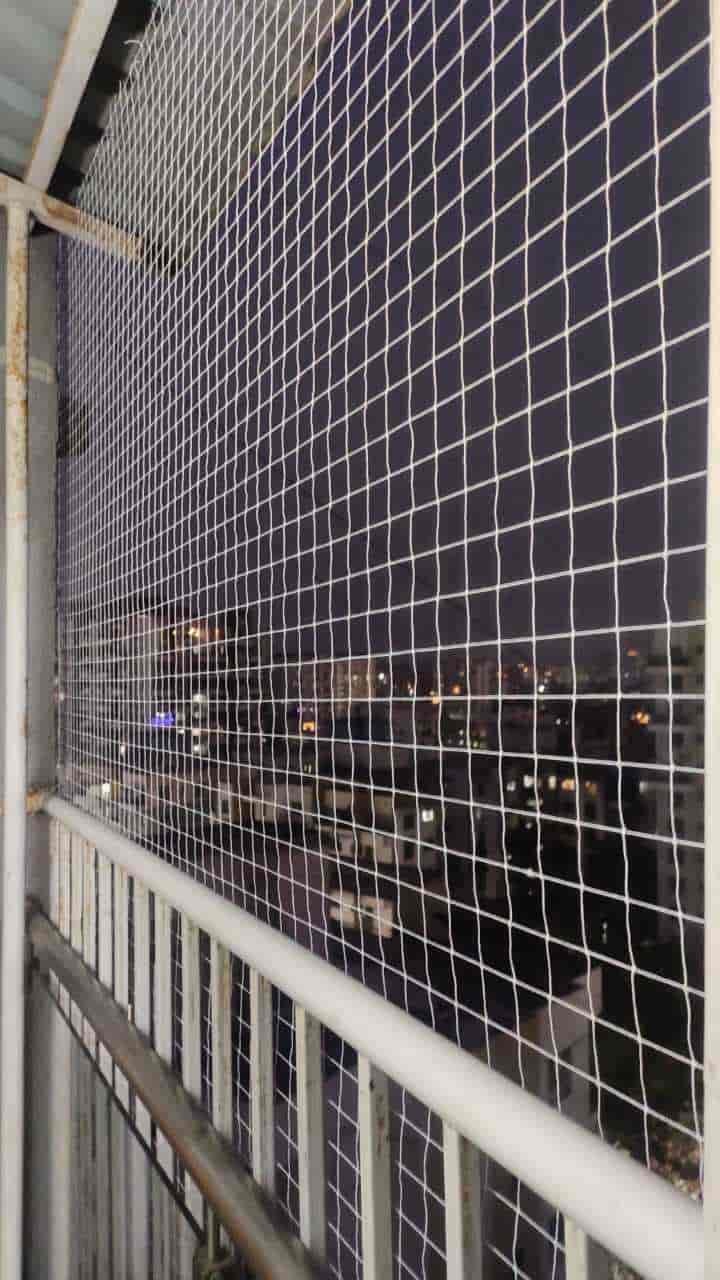
The concept of an invisible grill in Kanchanwadi is a popular complement or alternative to traditional metal grills. The invisible grill acts as a barrier that is not visually prominent, making balconies appear more open while still preventing birds from entering and roosting. This solution is particularly appealing for residents who value a clean aesthetic and unobstructed city views.
A thoughtful approach to invisible grills considers the mesh material, the mounting system, and the potential impact on emergency egress routes. While not truly invisible, many modern options are highly discreet, using slim profiles and color-matched fixtures that blend into the façade. The installation process requires careful measuring, precise cutting, and secure anchoring to ensure wind loads and dynamic forces do not compromise the barrier.
Personal analysis suggests that the invisible grill can be a game-changer for high-rise balconies and narrow corridors where traditional nets might appear bulky. The trade-off is typically a slightly higher initial cost and more meticulous installation, but the long-term benefits include enhanced curb appeal and a modern, streamlined appearance that complements contemporary architecture.
Maintenance and durability considerations
Despite the “invisible” appeal, these grills still require routine maintenance—cleaning of the mesh, inspection for loose fittings, and occasional re-tightening of anchor points. Aesthetics aside, durability matters: UV resistance, corrosion protection, and the ability to withstand weather extremes are essential. Residents should plan a maintenance schedule with a service provider to keep the barrier functional and visually unobtrusive.
Safety and compliance considerations
It’s important to ensure that invisible grills meet local safety codes and building regulations. Some jurisdictions require specific mesh sizes and load ratings for balcony barriers, especially in multi-story buildings or near pedestrian walkways. A compliant installation provides reassurance to residents and the neighborhood authorities, while also avoiding potential liability in case of a windstorm or intense weather event.
Balcony safety nets Kanchanwadi
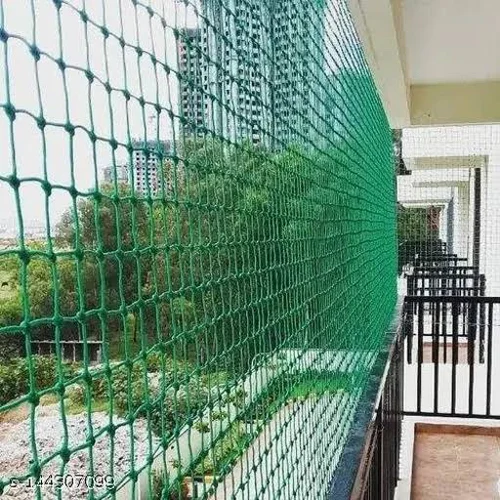
Balcony safety nets are a staple solution for family homes, ensuring that children and pets can enjoy outdoor space without the risk of falls or encounters with birds and other wildlife. In Kanchanwadi, where balconies are often deeply integrated with living areas, a robust balcony safety net can be a practical and economical safety upgrade.
This section explores the concept of balcony safety nets in Kanchanwadi as a multi-faceted solution that combines safety, convenience, and peace of mind. The right net not only protects against bird intrusions but also provides a fall-protection barrier for families, especially those with young children or elderly residents who spend time on balconies.
Material choices and installation topology
Balcony nets are typically made from high-tensile polyethylene or polypropylene fibers, treated for UV resistance and weather durability. The density of the mesh is chosen to deter birds while allowing visibility and airflow. Some installations use a combination of nets and edge seals to prevent small gaps that might allow a bird to squeeze through.
From a user perspective, the installation should not create tripping hazards or impediments to furniture placement. A well-planned balcony safety net integrates with planters, seating, and railings so that daily living remains comfortable and functional. Regular inspections detect wear points at anchorages and corners, enabling timely repairs before small damage escalates.
Engagement with residents and community spaces
Balcony safety nets in Kanchanwadi often involve multi-resident coordination, particularly in apartment complexes and cooperative societies. Clear communication about the scope, timelines, and post-installation care helps avoid disruption to daily routines. The process can be collaborative: residents contribute to design choices, color matching, and maintenance scheduling, turning a safety upgrade into a shared community improvement effort.
Aesthetic and practical balance
Beyond safety, balcony nets influence the perceived openness of a residence. A net that is too conspicuous can detract from the façade, while an overly discreet option might raise concerns about effectiveness. The best balconies strike a balance—an unobtrusive barrier that still communicates a commitment to family safety and civic responsibility.
Bird netting service Kanchanwadi

Bird netting service Kanchanwadi offers a broad spectrum of solutions to address avian interference, including installation, maintenance, and repair of bird exclusion systems. A professional service understands the local climate, species, and architectural styles common to the area, and can tailor a plan to meet each building’s unique needs.
From a practical standpoint, a dedicated bird netting service provides site surveys, precise measurements, custom fabrication, and meticulous installation. They also offer ongoing monitoring and maintenance, ensuring that nets stay taut, clean, and effective over time. This is crucial in Kanchanwadi’s urban environment, where humidity, dust, and pollution can gradually degrade even the best net.
The value beyond deterrence
Beyond immediate bird deterrence, a reputable bird netting service Kanchanwadi contributes to long-term property preservation. Bird droppings are corrosive and can stain façades, gutters, and mechanical equipment. Regular service helps minimize cleanup costs, protect resale value, and maintain hygienic living conditions. The service also reduces noise and the unsightly accumulation of roosting sites on ledges and corners.
Choice factors and due diligence
Choosing the right bird netting service requires evaluating credentials, warranties, and client references. It’s prudent to request site visits, review installation portfolios, and verify safety standards for working at heights. A professional team will also discuss alternative solutions—such as anti-bird net Kanchanwadi or pigeon spikes Kanchanwadi—when specific constraints require a combinational approach.
Anti-bird net Kanchanwadi
The term anti-bird net Kanchanwadi is often used to describe netting solutions specifically installed to deter birds from roosting or nesting on particular structures. These nets are designed with tight mesh to prevent entry, while being durable enough to withstand weather and seasonal wear. An anti-bird net is a proactive asset for any building facing persistent avian activity on balconies, roofs, or ledges.
Critically, the anti-bird net should not trap birds or create hazardous entanglements. The installation should enable easy access for regular cleaning and maintenance, and the material must resist tear, stretch, and UV degradation. In Kanchanwadi, where climate can vary sharply, choosing a net with weather-resistant properties ensures fewer replacements and a lower lifecycle cost.
Integration with other deterrents
An anti-bird net often works best when integrated with other deterrents, such as pigeon spikes Kanchanwadi or balcony safety nets Kanchanwadi. A layered approach can address different behavioral patterns in birds, including roosting on edges or feeding near entry points. The combination approach can optimize effectiveness while keeping costs reasonable.
Environmental considerations and animal welfare
Ethical considerations guide modern anti-bird net installations. It’s essential to ensure the barrier does not trap birds or create undue suffering. Regular checks are needed to confirm the net remains intact and no unauthorized access is possible. When designed and installed correctly, these nets reduce bird-related hazards and minimize the spread of droppings across communal spaces.
Pigeon spikes Kanchanwadi
Pigeon spikes Kanchanwadi are a long-standing, practical solution specifically aimed at discouraging pigeons from perching on ledges, railings, and parapets. Spikes create an unstable landing area for birds, prompting them to seek alternative roosting spots. They can be installed on windowsills, balcony edges, gutters, and rooflines where pigeons are known to gather.
From a design perspective, the best pigeon spike installations avoid sharp edges or protrusions that could damage property or injure residents. Contemporary systems use low-profile, stainless steel, or plastic spike arrays with a low visual footprint. These features can be especially important in Kanchanwadi’s mixed residential environments where a balance of safety, aesthetics, and practicality matters.
Effectiveness and maintenance
Spikes are effective for deterring pigeons but must be kept clean to maintain deterrence. Debris accumulation can negate the effect, so routine cleaning is part of the maintenance plan. In some cases, combining spikes with balcony nets or anti-bird net Kanchanwadi yields more robust results, especially on large ledges or architectural protrusions.
Community safety implications
For building committees and societies, installing pigeons spikes is often seen as a humane, non-lethal method for reducing avian conflicts. It aligns with safety goals without requiring bird capture or harassment. The approach can contribute to a cleaner and more comfortable environment for residents who pass under or near affected ledges.
Society bird netting Kanchanwadi
Society bird netting Kanchanwadi refers to netting projects designed for multi-story residential groups or housing societies. These installations must accommodate shared architectural features, including common balconies, stairwells, courtyards, and exterior walls. When a society adopts a netting solution, it typically enters into a managed maintenance plan that ensures consistent performance and compliance with safety standards.
Coordinating with the society is essential to determine the scope, budget, and long-term maintenance. A well-executed project reduces nuisance from birds, improves the health and safety of residents, and preserves the building’s appearance. It also creates a sense of collective responsibility, reinforcing a shared effort to keep common spaces clean and accessible.
Governance and process considerations
In a society setting, governance involves approvals from residents, financial planning, and scheduling that minimizes disruption during peak periods. The installation plan should highlight access routes for technicians, temporary barriers if needed, and the sequence of work to avoid blocking daily activities. Regular updates and transparent reporting increase acceptance and satisfaction among residents.
Long-term value and community pride
A properly installed society bird netting Kanchanwadi project can become a point of pride for a community, signaling a commitment to safety, cleanliness, and property value. The netting system should last for many years with minimal maintenance, offering a reliable shield against birds and reducing costly cleaning or repairs in public and private spaces.
Balcony safety Kanchanwadi
Balcony safety Kanchanwadi encompasses a broad range of protective measures designed to keep balconies secure, accessible, and inviting for residents. Netting, barriers, anti-bird solutions, and careful architectural planning all contribute to a safer balcony environment. The balcony is often a focal point for family life and neighbor interactions, so safety upgrades must be thoughtful, well-integrated, and durable.
Balancing safety with daily living
A balcony is more than a low-cost outdoor area; it’s a living extension of the home. The safety solutions implemented should not hamper sunlight or airflow. Properly chosen nets and barriers keep children and pets safe without turning the balcony into a fortress. The best installations preserve the space’s usability and fun while delivering peace of mind.
Long-term considerations and warranties
Security installations on balconies require warranties and service agreements that cover environmental exposure and wear. Residents should inquire about product warranties, installation guarantees, and maintenance services. A strong service plan ensures that problems are addressed quickly and that the balcony remains a safe, enjoyable place to spend time.
FAQs section and conclusion follow.
FAQs
What is the most effective option for pigeon deterrence in Kanchanwadi?
- The most effective approach depends on the specific site, but a layered solution combining pigeon net installation in Kanchanwadi with a complementary deterrent like pigeon spikes Kanchanwadi and appropriate seasonal maintenance tends to yield the best results. A professional assessment helps tailor the plan to your building’s architecture and bird activity.
Are invisible grills in Kanchanwadi safe for children and pets?
- Yes, when properly designed and installed to meet safety standards, invisible grills provide a secure barrier without compromising visibility or light. It is essential to use high-quality materials, correct mounting hardware, and professional installation to ensure safety and longevity.
How often should balcony safety nets Kanchanwadi be inspected?
- Regular inspections are recommended, at least twice a year, with additional checks after severe weather events. Inspection should cover edge seals, tension, mesh integrity, and anchor points to prevent wear from becoming a problem.
What should residents look for when hiring a bird netting service Kanchanwadi?
- Look for a proven track record, client references, safety certifications, and warranty details. Ensure the team offers site surveys, precise measurements, and robust post-installation maintenance plans. A transparent quote and clear communication are also critical.
Can a single solution cover both pigeons and other birds in a diverse urban setting?
- Often not. Birds vary in size and behavior, so many projects benefit from a combination approach—netting for entry points, spikes for perches, and possibly anti-bird net Kanchanwadi or invisible grills in Kanchanwadi for selective barriers. A coordinated plan designed by an experienced provider offers the best chance of success.
Conclusion
In closing, the path to a safer and cleaner living environment in Kanchanwadi rests on thoughtful, professional implementations of barriers that deter birds while respecting aesthetics and everyday life. From pigeon net installation in Kanchanwadi to sophisticated options like invisible grills in Kanchanwadi and balcony safety nets Kanchanwadi, residents can select a balanced strategy that protects property, health, and comfort. A well-executed plan combines durable materials, precise installation, and ongoing maintenance, with the added benefit of enhancing property value and community pride—a true testament to responsible living in a busy urban landscape.