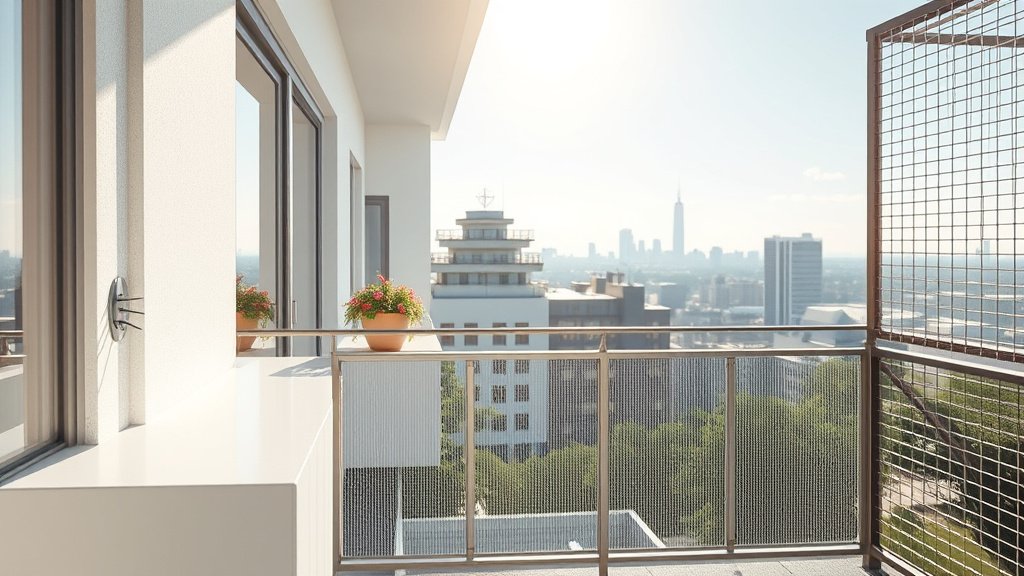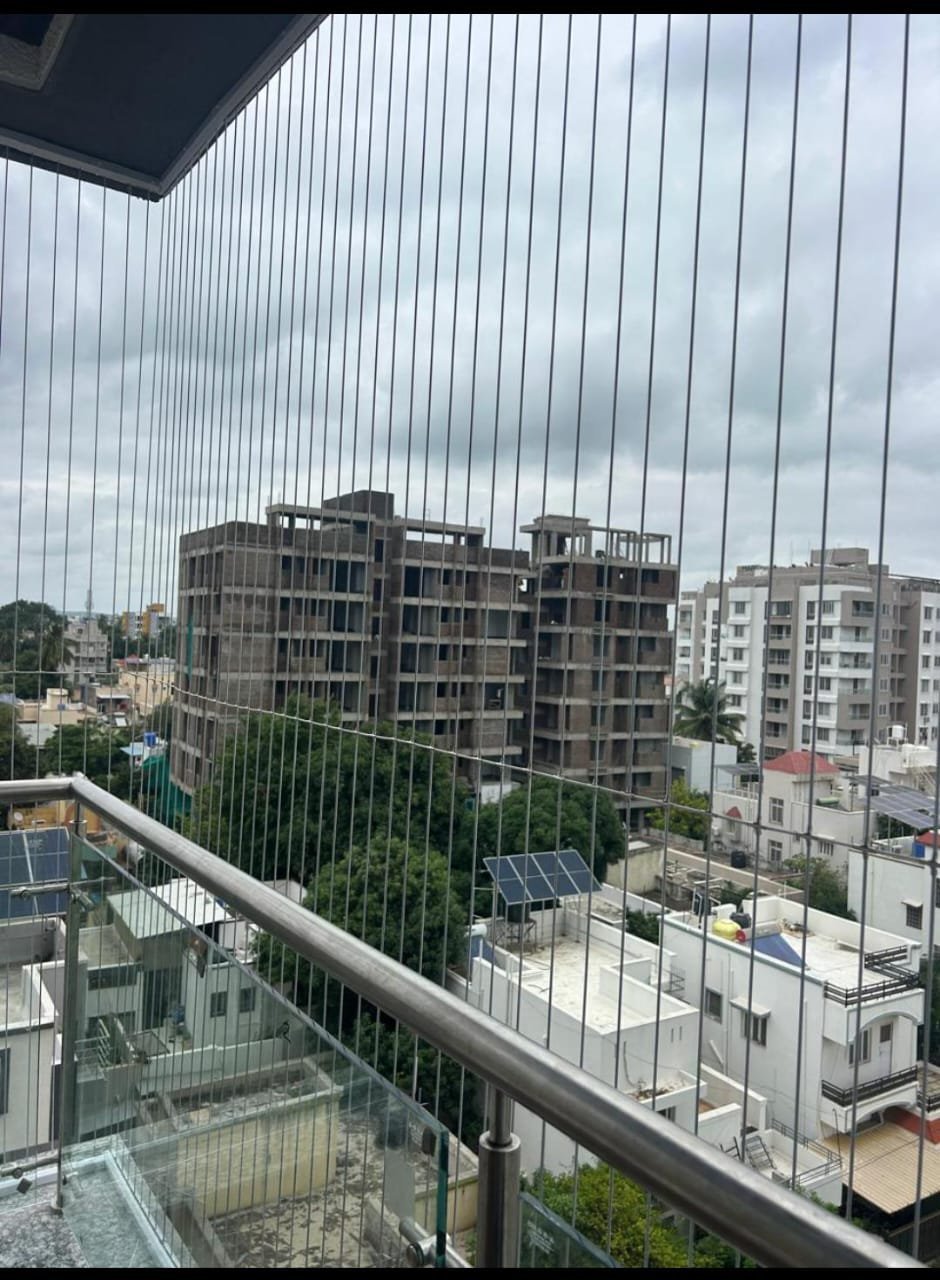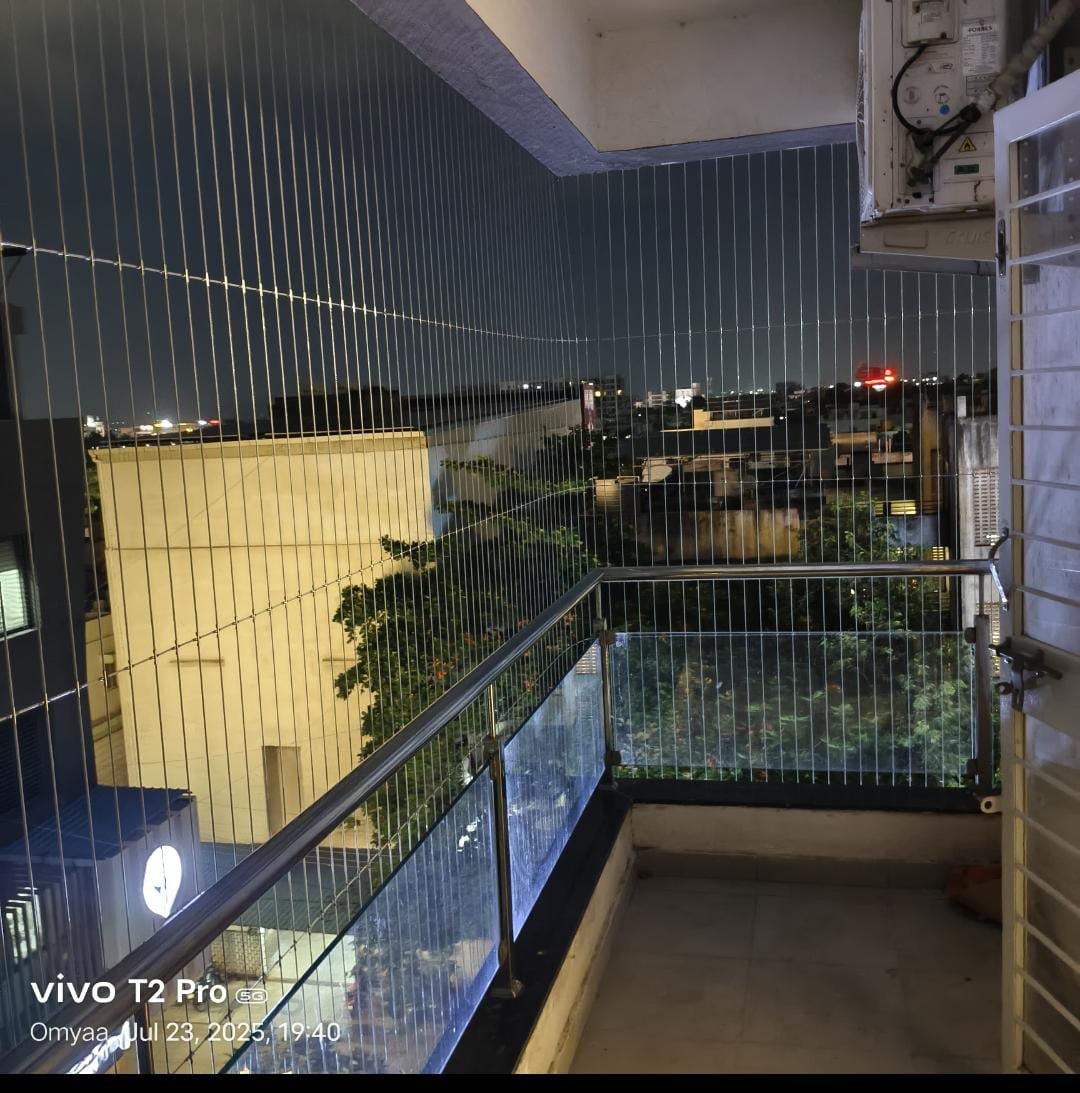
The following article examines the practical, ethical, and aesthetic considerations surrounding pigeon control and balcony safety in Nagala Park, with a focus on actionable solutions and community impact. In particular, we explore pigeon net installation in Nagala Park as a core strategy for reducing nuisance birds while preserving outdoor spaces. This guide also digs into supplementary options such as invisible grills, bird netting services, and humane deterrents to help residents balance safety, cleanliness, and local wildlife concerns.
Ensuring Balcony Safety in Nagala Park: A Guide to Pigeon Netting and Invisible Grills
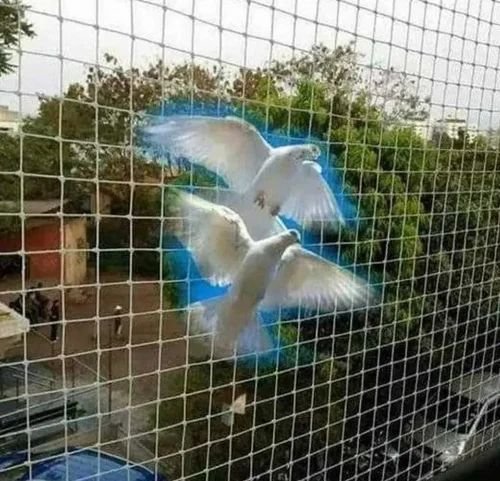
Balcony safety is not merely a matter of keeping debris out of living rooms; it is about creating secure outdoor spaces where families, children, and elderly residents can enjoy fresh air without fear of falls or intrusion by birds. In Nagala Park, this means thinking holistically about how structures interact with local avian populations, especially during migratory seasons when balcony ledges can attract pigeons and other species. The choice between netting, grills, and complementary barriers requires careful assessment of balcony size, exposure to wind, and the architectural style of each building.
From a practical standpoint, the installation process for pigeon net installation in Nagala Park should begin with a thorough site survey. Professionals assess anchoring points, frame strength, and potential interference with doors, windows, or railings. They also consider the material of the balcony—whether concrete, steel, or wood—since different substrates demand specific fixing methods. A well-executed installation minimizes visual impact while maximizing deterrence, ensuring tenants can enjoy unobstructed views and outdoor use without the constant worry of bird droppings or nesting activities.
Beyond nets, invisible grills in Nagala Park offer a discreet alternative for safety-conscious residents. These grills are designed to blend with architectural elements, offering physical barriers without the bulky appearance of traditional lattices. The advantage is twofold: reduced visibility of the safety solution and enhanced deterrence against birds who might test weaker points of a balcony. For families prioritizing aesthetics, invisible grills provide a clean, modern solution that maintains curb appeal while delivering tangible safety benefits. The trade-off often centers on cost, maintenance, and the degree of perceived security, requiring an informed discussion between residents, building management, and installation professionals.
When considering both pigeon net installation in Nagala Park and invisible grills, it’s essential to think about longevity and upkeep. Like any exterior modification, nets and grills are susceptible to wind damage, UV degradation, and seasonal debris buildup. Regular inspections, cleaning schedules, and prompt repairs help preserve effectiveness and appearance. A maintenance plan should address potential snagging on clothing lines, door seals, or balcony planters, ensuring the safety system remains functional without obstructing day-to-day living. By aligning installation strategies with ongoing care routines, Nagala Park can enjoy safer balconies long after the initial installation.
In addition to nets and invisible grills, residents may explore complementary features such as better drainage around balcony edges, smoother surface finishes to reduce roosting spots, and thoughtful landscaping that discourages bird nesting nearby. Combining engineering solutions with behavioral deterrents—like visual scarring devices placed at favorable angles to deter birds—can amplify overall effectiveness. The key is a layered approach that respects both human needs and animal welfare, promoting coexistence while minimizing nuisance. Community workshops and open forums can facilitate shared understanding and coordinated action, ensuring every stakeholder in Nagala Park feels heard and protected.
Pigeon Net Installation in Nagala Park: Protecting Homes and Businesses from Bird Infestation
Bird infestations can threaten both residential comfort and commercial viability, particularly for property managers who oversee multi-tenant buildings or office complexes in Nagala Park. A robust approach to bird control begins with prevention: sealing entry points, managing waste, and maintaining clean, bird-proofed surroundings around entryways, loading docks, and common areas. The installation of bird deterrents—like nets—targets the problem at its source, reducing the likelihood of nesting and roosting that contribute to stains, odors, and structural wear.
When discussing pigeon net installation in Nagala Park, it is essential to consider the differing needs of homes and businesses. Residential units may require aesthetically unobtrusive solutions that preserve light and airflow, while commercial properties often demand highly durable materials and easier access for cleaning and maintenance. In both cases, professional installers use tested materials designed for long-term exposure to sun, rain, and temperature fluctuations. A well-chosen netting system has strong edge bindings, reinforced corners, and a mesh size calibrated to deter pigeons without trapping other wildlife or causing harm to non-target species.
The benefits extend beyond immediate nuisance reduction. Netting can improve sanitary conditions by preventing bird waste accumulation on balconies, ledges, and storefronts. For businesses, a cleaner exterior translates into better customer perception, lower cleaning costs, and a safer walkway environment for customers and staff. However, the success of any netting project hinges on proper installation, regular inspections, and timely replacements when wear signs appear. A proactive maintenance schedule helps ensure that the investment continues to deliver value over many seasons.
In Nagala Park, community standards may influence preferred approaches to pigeon control. Some buildings adopt a city-guided framework that emphasizes humane and non-lethal methods, encouraging transparent communication with residents about the rationale and expected outcomes. This fosters trust and cooperation, which are essential when altering shared spaces. The right balance of nets, documentation, and resident education can reduce conflicts and ensure that everyone benefits from a safer, cleaner, and more harmonious living environment.
Ethical considerations also play a critical role in choosing a solution. Humane bird deterrents aim to minimize stress and injury to birds while achieving human safety goals. Reputable service providers emphasize non-lethal methods, avoid harmful traps, and ensure that nets are installed in ways that do not entangle birds or other wildlife. For Nagala Park property owners, this means selecting a provider who can demonstrate humane practices, provide clear maintenance plans, and guarantee the performance of the system over time. A thoughtful approach to ethics reinforces the long-term success and community acceptance of any bird control program.
Invisible Grills in Nagala Park: A Discreet Solution for Balcony Safety and Security
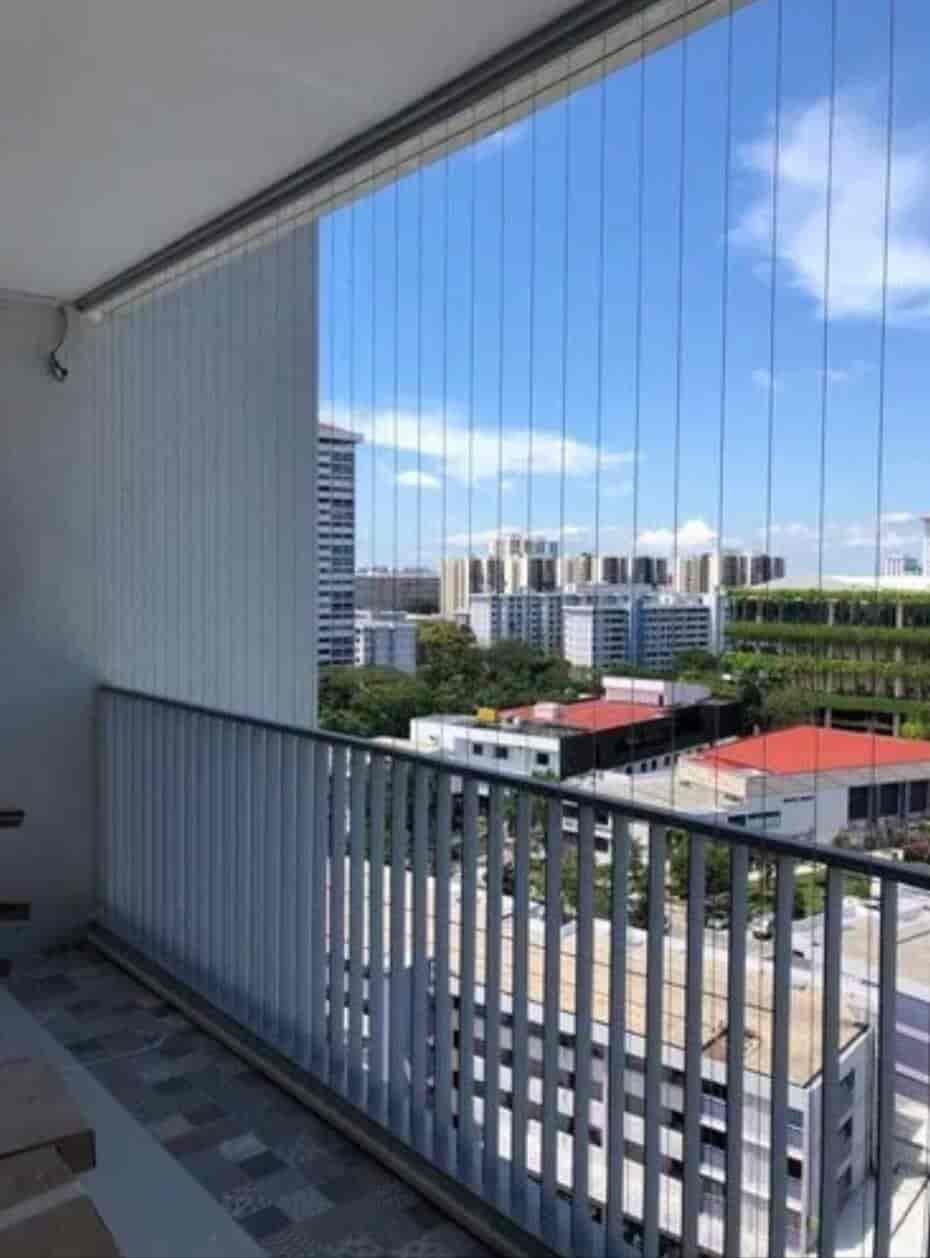
Invisible grills in Nagala Park offer a modern take on balcony safety that preserves the aesthetics of a building while providing robust protection against falls and unwanted intrusions. These grills are designed to be minimally visible, blending with railings, glass, or exterior finishes so that architectural lines remain uninterrupted. For residents who value unobtrusive safety measures, invisible grills present an appealing compromise between protection and visual appeal.
From a design perspective, invisible grills require precise engineering to align with railings, doors, and window openings. The installation team measures rail height, balcony depth, and the exact swing arc of doors to ensure that the grill does not create interference. The result is a seamless barrier that maintains usability while enhancing security. In Nagala Park, where building designs vary, flexible mounting options and modular components allow invisible grills to adapt to different balcony configurations without compromising safety.
One challenge with invisible grills is the perception of safety. Some residents may worry that a less visible barrier equates to reduced security. In reality, the effectiveness depends on the strength of the materials, the anchoring system, and the ongoing maintenance of joints, screws, and seals. A professional installation should provide certification of load ratings and a maintenance schedule that includes periodic checks for corrosion, loosening fittings, and weather-related wear. Clear communication about these aspects helps residents understand that invisibility does not come at the cost of reliability.
Beyond safety, invisible grills can contribute to energy efficiency and light transmission. Properly installed grills maintain cross-ventilation and allow sunlight to penetrate balconies, which can help reduce electricity use for lighting and climate control. In Nagala Park communities, this synergy between safety and comfort resonates with residents seeking both practical protection and a pleasant outdoor experience. Enhanced marketability is another benefit, as properties presenting low-impact, high-function solutions tend to attract tenants who value design-forward safety.
Choosing invisible grills also invites consideration of maintenance and cleaning. Because these systems are less conspicuous, dirt and corrosion can accumulate along concealed joints. A proactive maintenance plan that includes annual inspections, rust prevention treatments, and prompt resealing will keep invisible grills looking pristine and functioning effectively. When residents invest in well-maintained invisible grills, the payoff is a longer service life, fewer emergency visits, and sustained confidence in balcony safety.
Community engagement remains a powerful driver of successful security implementations. Open discussions about the goals of invisible grills—whether to deter accidental falls, reinforce balcony boundaries for families with small children, or protect vulnerable tenants—help manage expectations and ensure alignment with building management policies. In Nagala Park, where communities thrive on collaboration, transparent planning and inclusive decision-making can turn safety upgrades into shared achievements rather than contentious disputes.
Balcony Safety Nets in Nagala Park: Safeguarding Children and Preventing Accidents
Balcony safety nets provide a practical, immediate layer of protection for households with children, pets, or elderly residents who might be at risk of accidental falls. In Nagala Park, these nets serve as a visible, reassuring boundary that allows families to enjoy balcony spaces without constant supervision. The peace of mind offered by well-installed nets is an essential consideration for households seeking to maximize outdoor living while prioritizing safety.
From a child-safety perspective, balcony nets act as a physical reminder of boundaries and limits, encouraging children to explore spaces in a controlled manner. The right netting system is strong, durable, and appropriately sized to prevent climbing or slipping through gaps. Selecting the proper mesh size is crucial—small enough to stop little fingers and toes, yet large enough to maintain air flow and visibility. High-quality nets are also designed to withstand the elements, resisting UV damage, wind stress, and potential tearing caused by sharp edges or heavy objects on decks.
The installation of balcony safety nets Nagala Park should be conducted with meticulous attention to mounting points, tensioning methods, and seam integrity. Mounting points must be securely anchored to structural elements, not just surface finishes, to ensure long-term performance under wind and weather. Tensioning is crucial; overly loose nets sag over time, creating new hazards or reducing deterrence, while over-tensioned nets can stress mounting points and hardware. A trained technician balances tension to maintain safety without compromising the balcony’s function or aesthetics.
Maintenance is a critical factor in the ongoing effectiveness of balcony safety nets. Regular visual inspections for tears, loose fittings, or corrosion help detect issues before they become significant problems. Cleaning schedules prevent dirt buildup that can obscure visibility or hide small damages that require repair. In Nagala Park’s varied climate, seasonal checks are wise, focusing on post-storm inspections to assess wind damage and ensure that nets remain taut and securely attached. Proactive maintenance reduces the risk of sudden failures and extends the lifespan of the safety system.
The social dimension of balcony safety nets is also meaningful. Families with children often advocate for universal safety measures across buildings, which can drive policy changes at the community level. A coordinated approach—combining nets with education about balcony safety for kids, dogs, and visitors—helps sustain a safety culture that benefits all residents. When residents see consistent safety standards, it fosters trust in property management and strengthens community pride. In Nagala Park, a proactive stance on balcony safety nets demonstrates a shared commitment to protecting the young and the vulnerable while preserving outdoor enjoyment.
In addition to child safety, nets contribute to pet safety by preventing animals from wandering into hazardous spaces or from falling from elevated areas. This broader protective function aligns with humane and responsible living practices that many Nagala Park residents value. The netting solution thus serves multiple purposes: accident prevention, peace of mind for caregivers, and a more secure, livable environment for households with active children and pets.
Comprehensive Bird Netting Services in Nagala Park: Tailored Solutions for Every Need
Every building or residence has unique architectural features, occupancy patterns, and budgeting considerations. A comprehensive bird netting strategy in Nagala Park should therefore be customized to fit specific needs, balancing effectiveness, aesthetics, and cost. A turnkey approach typically begins with a professional assessment that maps all potential access points, nesting hotspots, and high-traffic ledges where pigeons and other birds are likely to roost. The goal is to deploy a layered defense that reduces bird activity without creating an oppressive or visually intrusive environment.
Key components of a tailored bird netting service Nagala Park involve selecting the right mesh size, frame materials, and installation methods for each site. Mesh size must be carefully chosen to prevent birds from entering while avoiding unintended trapping of small wildlife or insects that can be part of the ecosystem. Material choices range from stainless steel to high-strength polymers, with considerations for corrosion resistance, weather tolerance, and the potential for UV degradation. The installation method—whether surface-mounted, recessed, or frame-supported—depends on the balcony geometry and existing architectural features.
Beyond installation, ongoing maintenance and monitoring are integral to sustained success. A robust service plan includes periodic inspections, tension adjustments, seam repairs, and prompt replacement of damaged sections. Residents benefit from transparent reporting, including before-and-after photos, performance metrics like reduction in bird activity, and a clear maintenance schedule. In Nagala Park, community buy-in fosters acceptance of ensuring that all properties—residential, commercial, and public—achieve a consistent standard of bird prevention.
A humane approach to bird netting emphasizes minimizing stress and harm to birds while achieving deterrence goals. Manufacturers and installers who prioritize animal welfare design nets and installation procedures that reduce entanglement risks and avoid trapping birds mid-flight. Education and communication also play a significant role; informing residents about the rationale behind netting and how to properly report issues encourages cooperation and reduces mistaken perceptions of cruelty or unnecessary intervention. Ethical stewardship in Nagala Park thus combines technical excellence with compassionate, community-centered practices.
In addition to traditional nets, modern bird control programs may incorporate supplementary deterrents such as anti-bird net Nagala Park devices and strategically placed visual deterrents to complement the netting system. These elements work synergistically to create a robust defense against a range of avian behaviors—from roosting to nesting—while preserving the aesthetic qualities of buildings and outdoor spaces. A well-rounded program recognizes that no single solution fits all situations and that success depends on a thoughtful blend of engineering, ecology, and community engagement.
Anti-Bird Net Solutions for Nagala Park Residents: A Humane Approach to Pest Control
Humane, effective bird control hinges on selecting methods that minimize distress and avoid harming birds. Anti-bird net solutions for Nagala Park residents are designed to deter birds from landing and nesting without causing injury or undue stress. These solutions often involve physically blocking access points while allowing air flow and light to pass through, preserving balconies’ usability and comfort. The humane dimension of such approaches is increasingly prioritized by residents and local authorities who seek sustainable, ethical pest management.
A well-designed anti-bird net system balances deterrence with flexibility. For instance, nets with small mesh prevent pigeon entry while still allowing avenues for ventilation and, when necessary, easy access for maintenance. The installation must respect the building’s structural integrity and avoid creating water pooling or drainage problems. The result is a durable, low-maintenance solution that stands up to Nagala Park’s weather patterns and continues to deter birds year after year.
Public education plays a crucial role in the success of anti-bird net strategies. When residents understand why deterrents are necessary and how to maintain them, they are more likely to support and participate in upkeep. Community awareness campaigns can address common concerns, such as the impact on wildlife, the appearance of nets, and the steps residents should take if a bird becomes trapped or distressed. Transparent communication helps maintain trust and ensures that pest control measures are perceived as responsible, proportionate, and ethical.
Cost considerations are another essential factor for Nagala Park residents evaluating anti-bird net options. While initial installation costs can be substantial, long-term savings in cleaning, maintenance, and property value can justify the investment. A reputable service provider can offer transparent pricing, warranties, and service packages that cover routine inspections and emergency repairs. By focusing on value rather than merely the lowest upfront price, communities can secure high-quality solutions that deliver durable results and peace of mind.
In Nagala Park’s diverse urban environment, the social dimension of bird control cannot be overlooked. Community-level strategies—such as shared nets on commonly affected structures and coordinated maintenance schedules—enhance efficiency and ensure consistency across buildings. When residents collaborate, the impact of anti-bird net systems expands beyond individual units to create a broader, healthier living environment. This collective approach strengthens neighborhood ties and demonstrates a proactive commitment to pest management that respects wildlife while protecting human health and property.
Pigeon Spikes in Nagala Park: An Effective Deterrent for Unwanted Bird Activity
Pigeon spikes are a common deterrent used to prevent birds from perching or nesting on ledges, window sills, and railings. In Nagala Park, their effectiveness depends on careful placement, proper spacing, and integration with other barriers such as nets or grills. Spikes work best when birds are deterred before they commit to a roost, reducing waste and associated odors and eliminating the chance that nests will form in hard-to-reach locations. When applied thoughtfully, spikes can be a portion of a broader integrated pest management strategy.
The practical deployment of pigeon spikes Nagala Park requires precise spacing and robust mounting hardware. Spikes should be installed in areas where birds commonly roost, such as parapets, ledges, and balcony edges. They must be durable enough to withstand wind loads and weather, while remaining unobtrusive. Professionals consider the architectural style and ensure that spikes do not damage roofing materials or create sharp edges that might injure birds in unintended ways. The result is a humane, effective deterrent that reduces bird presence with minimal visual impact and maintenance needs.
One limitation of spikes is that they are not a universal solution. Birds may adapt by locating alternative perches nearby, and some species can tolerate or even exploit certain spike configurations. Therefore, spikes are most effective when used as part of a comprehensive plan that includes nets, slope adjustments, and habitat modification to discourage roosting altogether. In Nagala Park, integrating spikes with other deterrents can yield better long-term outcomes than relying on a single method.
From a resident perspective, the visual presence of spikes might be a concern for those who prize a clean, uninterrupted exterior. High-quality spike systems use finishes that blend with roof lines and balcony edges, minimizing the visual impact while delivering performance. For commercial properties, spikes can improve cleanliness around storefronts and loading zones, contributing to better customer experiences. All the while, humane practice remains a central consideration, ensuring that spikes deter birds without injuring them.
In summation, pigeon spikes are a practical tool within a layered bird control strategy in Nagala Park. They excel at preventing perching on hard surfaces that encourage nesting and waste buildup, especially when combined with nets or other deterrents. A thoughtful installation plan—guided by experienced professionals—maximizes effectiveness and minimizes aesthetic impact, creating safer, cleaner, and more attractive outdoor spaces for residents and visitors alike.
Society Bird Netting in Nagala Park: Implementing Community-Wide Bird Control Measures
Society-wide bird netting initiatives represent a progressive approach to managing avian populations in urban communities. In Nagala Park, these programs can be designed to address shared structures such as apartment hallways, common balconies, and community facilities where bird activity affects multiple residents. A coordinated effort benefits everyone by reducing the spread of bird-related issues, maintaining sanitation, and protecting property values. The social dimension of such programs emphasizes collaboration, transparency, and a shared commitment to safe, humane, and effective deterrence.
A community-centric plan for society bird netting Nagala Park begins with a decision-making framework that includes residents, building management, and local authorities. Establishing baseline data—such as the most affected buildings, peak seasons, and typical species encountered—helps tailor the netting strategy to actual needs. Clear governance guidelines ensure fair cost sharing, maintenance responsibilities, and responsive mechanisms for addressing concerns or complaints. This approach fosters a sense of shared ownership and accountability, which strengthens the community’s ability to manage urban wildlife ethically.
The design phase for society-wide netting in Nagala Park considers varied building types and architectural aesthetics to minimize visual intrusion. Custom solutions may involve modular netting systems, color-matched fixtures, and unobtrusive mounting strategies that maintain sightlines and curb appeal. Regular monitoring and maintenance become collective tasks, with residents coordinating inspections and reporting issues to a central property manager or cooperative. When managed effectively, a society netting program reduces bird problems, improves public health, and enhances the overall living environment.
Educational outreach is a vital component of successful community netting efforts. Informational campaigns about how nets work, why humane deterrence is used, and how residents can contribute to success—such as disposing of food waste properly and avoiding feeding birds—promote a cooperative spirit. Participation in these programs is more likely when residents understand the rationale and see tangible improvements, which can include cleaner balconies, less staining on building exteriors, and better air quality due to reduced bird droppings. Nagala Park communities can maximize these positive outcomes through ongoing engagement and accessible reporting channels.
The economic aspects of society-wide netting projects also deserve attention. While upfront costs may be higher than individual, ad-hoc solutions, the per-unit expense often decreases when economies of scale are realized. In addition, long-term maintenance costs can be predictable and distributed across the community, enabling better budgeting and planning. For Nagala Park, the investment in a unified approach signals a commitment to sustainability, resident welfare, and a shared responsibility to maintain a dignified urban environment for current occupants and future generations.
A holistic view of society bird netting acknowledges the habitat and ecological context of Nagala Park. Bird populations are part of the urban ecosystem, and solutions should strive to minimize disruption to other wildlife while maximizing safety and cleanliness. This requires ongoing collaboration with local wildlife authorities, environmental groups, and animal welfare organizations to ensure that programs align with broader conservation principles. By embracing a thoughtful, adaptive, and humane framework, Nagala Park can lead by example in urban bird management.
Kids Balcony Safety in Nagala Park: Prioritizing Child Safety with Nets and Grills
Protecting children on balconies is a non-negotiable priority for families in Nagala Park. The combination of nets and grills can create a layered safety net, allowing kids to enjoy outdoor spaces without risking falls or accidental access to dangerous edges. A carefully designed solution considers the range of activities kids engage in, such as climbing, peeking over railings, or playing with pets, and ensures that safety devices do not impede play or curiosity.
A thoughtful approach to kids balcony safety Nagala Park emphasizes not only the physical barriers but also the educational components that help families cultivate safe outdoor habits. For example, signage that promotes safe balcony behavior and guidelines for supervising children can complement physical deterrents. It’s also important to select materials and installation methods that are non-toxic, weather-resistant, and easy to clean, ensuring that safety features remain effective and welcoming in outdoor living spaces.
In Nagala Park, integrating nets and grills with a child-centric design can enhance usability without compromising protection. For instance, nets with transparent or minimal mesh allow children to observe birds and nature from a secure vantage point while still preventing entry to dangerous gaps. Grills, when designed with soft, rounded edges and secure fastenings, add an additional layer of protection without creating a claustrophobic feel. The goal is to strike a balance between openness and safety, encouraging kids to explore while reinforcing boundaries.
Parental mindset and community standards also influence safety outcomes. When property managers and residents collaborate to implement uniform safety measures across buildings, children experience a consistent standard of protection, reducing confusion and risk. Community workshops that demonstrate proper use of balcony safety devices, maintenance checks, and emergency procedures empower families to participate in safety planning. Nagala Park can thus foster a culture of proactive care, where kids’ safety is embedded in everyday practices and shared responsibilities.
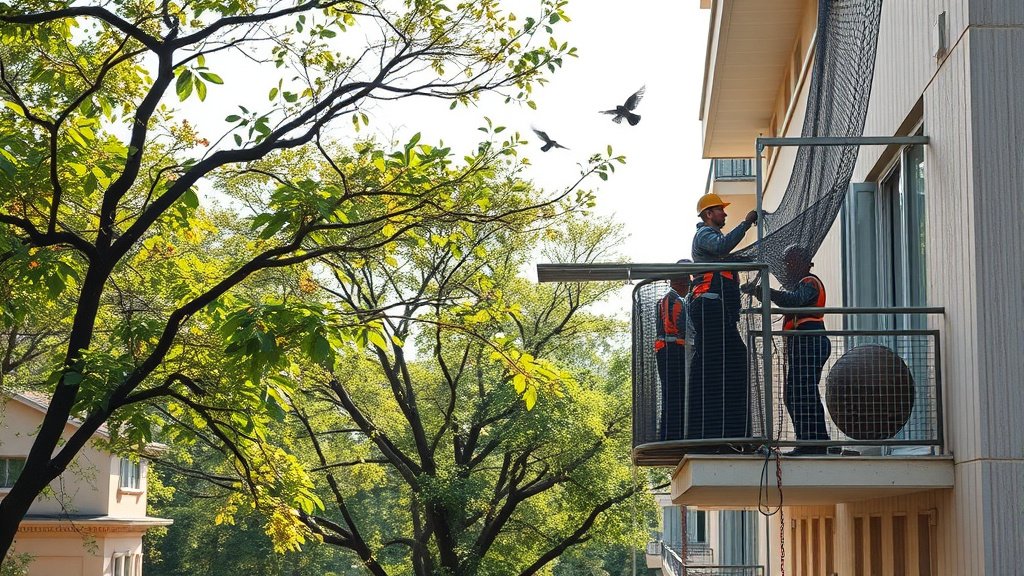
From a design perspective, safety solutions should respect architectural aesthetics and urban landscape considerations. The chosen systems—nets, invisible grills, or a combination thereof—need to complement the exterior rather than dominate it. Thoughtful color choices, discreet mounting, and careful alignment with existing railings and walls help maintain an appealing street presence. This attention to detail ensures that safety enhancements do not detract from the beauty and character of Nagala Park’s homes, while still delivering robust protection for children and families.
Finally, the success of any kids balcony safety strategy hinges on ongoing education and vigilance. Parents, caretakers, and community leaders play a central role in reinforcing safe behaviors, recognizing hazards, and reporting maintenance needs promptly. By fostering a collaborative, safety-first culture, Nagala Park can ensure that balconies remain safe playgrounds and relaxing retreats for families—spaces where children can enjoy the outdoors with confidence and freedom.
Choosing the Right Bird Control Solution in Nagala Park: Nets, Grills, and Spikes Compared
Selecting the right bird control solution is not a one-size-fits-all decision. In Nagala Park, residents must weigh safety, aesthetics, cost, and impact on the local ecosystem when choosing among nets, invisible grills, spikes, and other deterrents. A comprehensive evaluation should consider the specific architectural features, balcony dimensions, and the level of bird activity observed in each location. Only then can residents and property managers craft a tailored plan that optimizes performance and minimizes disruption.
For many Nagala Park properties, a combination approach tends to yield the best results. Nets provide broad protection against roosting and nesting, invisible grills offer subtlety and safety, and spikes serve to deter perching on problem ledges. When used in concert, these strategies create a robust, multi-layered defense that addresses the most common bird behaviors while preserving the character and usability of outdoor spaces. Cost considerations should factor in not only installation but also maintenance and potential repairs over the system’s lifespan.
A thorough analysis should also weigh the environmental and ethical implications of each option. Humane deterrence methods prioritize non-lethal approaches and avoid trapping or harming birds. This perspective aligns with Nagala Park’s community values and reduces potential regulatory or reputational risk for building owners and managers. Education, transparency, and open communication about the chosen measures help establish trust and cooperation among residents and stakeholders.
In the end, the right choice depends on a clear understanding of the local avian patterns, the building’s physical constraints, and the residents’ priorities. A well-planned, multi-faceted strategy that combines physical barriers with ongoing maintenance and community engagement can deliver lasting results, preserve property values, and create safer, cleaner, and more welcoming outdoor spaces for all residents of Nagala Park.
Conclusion
In Nagala Park, safeguarding balconies, improving public health, and maintaining aesthetic appeal require thoughtful, humane, and well-coordinated approaches to bird control and balcony safety. Our exploration of pigeon net installation in Nagala Park and related options demonstrates that combining nets, invisible grills, safety nets, spikes, and community-driven strategies can yield durable results. Each solution has distinct strengths and limitations, and the most successful programs integrate professional installation, proactive maintenance, ethical considerations, and active resident participation. By embracing a holistic, collaborative mindset, Nagala Park can achieve safer balconies, cleaner exteriors, and a more harmonious relationship with urban wildlife, creating spaces where families can enjoy the outdoors with confidence and pride.
📌 For More Information
Looking to secure your balconies, windows, or society spaces from pigeons and birds?
At BK Pigeon Net Invisible Grill, we provide professional installation services across Maharashtra, ensuring safe balconies and clear views for your home and society.
✅ Our Key Services:
-
🕊️ Anti-Bird Net – UV-stabilised and durable nets
-
🏠 Balcony Net Service – Safety with clear views
-
🏢 Society Bird Netting – Bulk solutions with AMC support
-
🏟️ Sports Net Service – Cricket, football, volleyball netting
-
✨ Invisible Grill Installation – Marine-grade safety grills
-
🪶 Pigeon Spikes Installation – Weather-proof, humane bird control
📲 Contact Us Today:
📞 Call / WhatsApp: +91 70200 33857
🌐 Website: https://bkpigeonnetinvisiblegrill.shop/