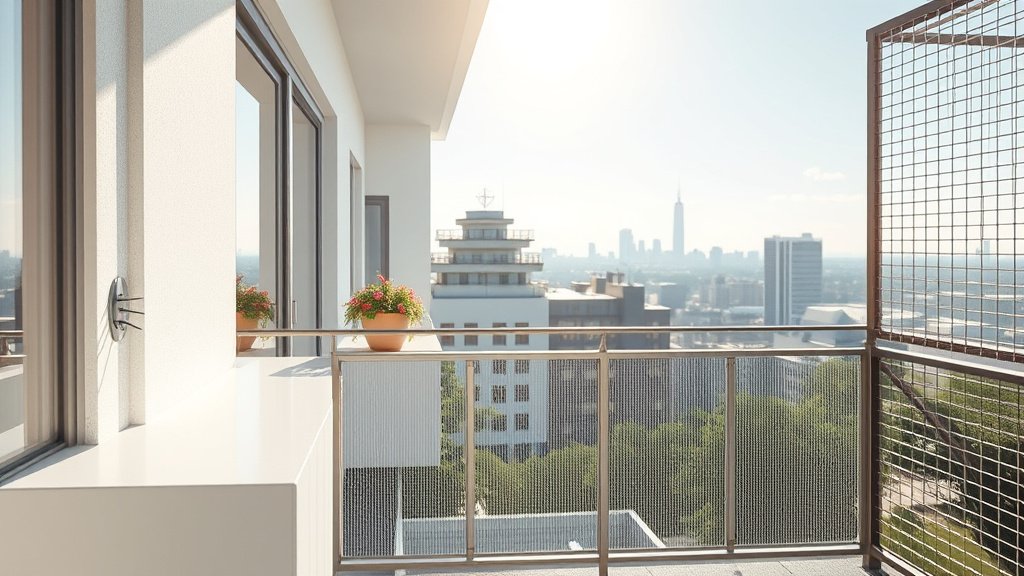
Welcome to an in-depth exploration of pigeon net installation in Padegaon, where we delve into practical approaches, design considerations, and community-facing implications. This article highlights how a robust pigeon net installation in Padegaon can protect buildings, gardens, and public spaces while balancing aesthetics and function. We’ll also touch on related services like invisible grill in Padegaon and other preventative measures that contribute to a safer, cleaner urban environment.
Pigeon net installation in Padegaon
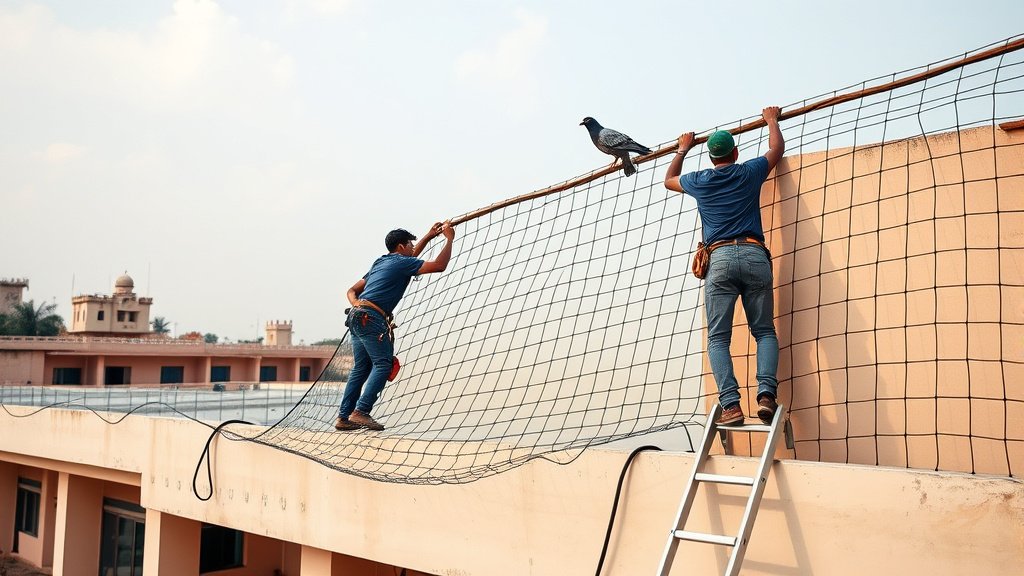
There is no one-size-fits-all solution for pigeon control, and that reality informs how we approach pigeon net installation in Padegaon. The goal is to create a humane, durable barrier that minimizes nuisance while preserving the integrity of the structure and minimizing visual clutter. In Padegaon, as in many growing towns, the demand for effective bird deterrents intersects with housing complexities, balcony designs, and public space usage.
The first step in any installation is a precise assessment of the target area. For balconies, courtyards, terraces, and building facades, you must map flight paths, roosting zones, and the micro-segments where pigeons are most active. This analysis informs the choice of net mesh size, edge mounting methods, and tensioning strategies. Balancing stiffness, UV resistance, and color compatibility with building materials is essential to ensure that the net remains discreet while providing reliable protection.
When considering a pigeon net installation in Padegaon, one must also weigh ease of maintenance. A well-chosen system should be straightforward to inspect, clean, and, if needed, replace. Local climate patterns—rains, monsoons, humidity levels—play a significant role in selecting materials that resist sagging and corrosion. The best installations integrate protective trims, anti-UV coatings, and simplified corner fittings to reduce wear points. In this context, a successful installation is less about the initial setup and more about long-term performance, minimal upkeep, and predictable outcomes for residents.
Design considerations also extend to the aesthetics of the installation. A properly planned system avoids protrusions that could snag clothing, blocks access to ledges that residents use for maintenance, or interfere with light and ventilation. By coordinating with building management and residents, installers can choose low-profile nets and color-matched bindings that blend with the environment. This is particularly relevant in the Padegaon setting, where communities value harmonious architecture and safe, unobtrusive interventions.
The social dimension of pigeon deterrence cannot be underestimated. Residents often voice concerns about birds as a nuisance or safety hazard, yet many also care about the birds’ welfare and the urban ecosystem. A transparent decision-making process that includes clear communication about the purpose, maintenance, and expected outcomes of the net installation helps to build trust. In Padegaon’s neighborhoods, community-led discussions around balcony safety and children’s play areas can align with the need for protective measures, creating safer spaces for everyone.
Finally, an effective installation requires skilled workmanship and reliable components. Professional installers bring expertise in anchor selection, weatherproofing, and tensioning strategies that keep nets taut without overly constraining the birds or compromising structural integrity. The combination of thorough assessment, thoughtful design, careful installation, and proactive maintenance is what distinguishes a durable pigeon deterrent from a temporary fix.
Practical considerations for installation teams
There are several practical considerations that frame every project. First, ensure compatibility with existing railings, window frames, and ledges. The netting system should integrate with minimal modification to the building envelope, avoiding drilling into fragile materials or compromising fire-rated assemblies. Second, plan for future access, service routes, and maintenance lines. A net’s design should allow technicians to reach and inspect anchor points without requiring invasive removal. Third, select a system that can withstand local weather patterns—strong winds, heavy rainfall, and seasonal temperature fluctuations demand robust hardware and secure anchor points. Fourth, establish a maintenance schedule that keeps the nets free of debris, bird droppings, and vegetation that can degrade the material over time. Regular cleaning and timely repairs preserve efficacy and extend the system’s life.
The end result should be a reliable, low-maintenance solution that minimizes nuisance while preserving the architectural integrity of the space. In Padegaon, where many homes are close to shared corridors or green spaces, a well-executed installation can reduce property damage, improve hygiene, and support a more pleasant urban environment. The project also serves as a case study in balancing practical needs with environmental sensitivity, acknowledging that birds are part of the ecosystem even as humans seek cleaner, safer living spaces.
Invisible grill in Padegaon
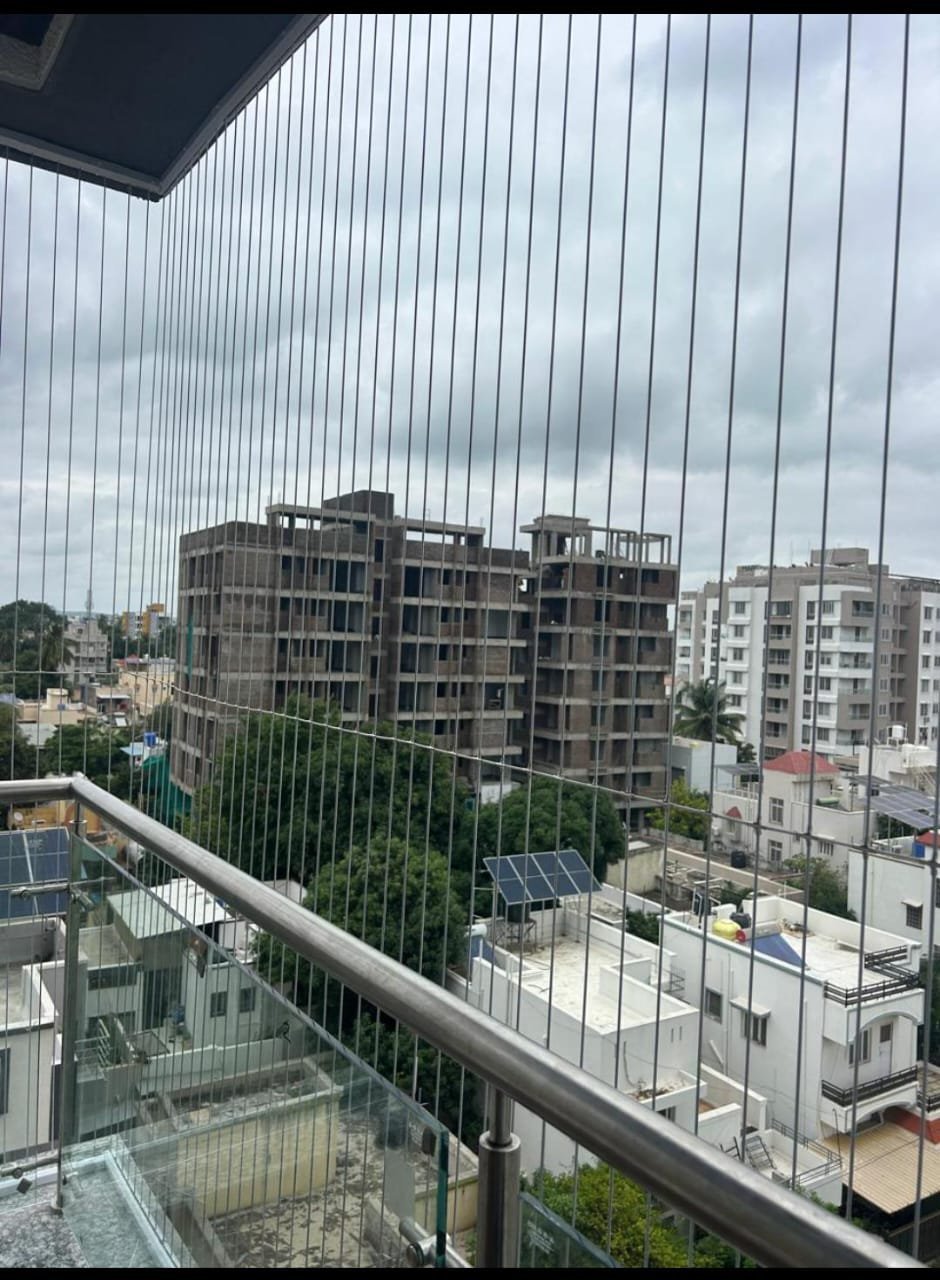
The concept of an invisible grill in Padegaon merges modern aesthetics with practical safety. Invisible grills provide an elegant alternative to traditional metal grills, offering protection without obstructing views, sunlight, or airflow. This is particularly advantageous for apartments, balconies, and storefronts that depend on natural light and a clean, unobstructed exterior.
An invisible grill system uses fine, tightly woven wires or high-tension mesh that remains visually unobtrusive from a distance. The goal is to deter birds and intruders while preserving the openness of the space. For residents who value minimal visual impact, invisible grills can be a game-changer, delivering security and aesthetics in one integrated package. However, it is essential to pair the grill with other deterrent measures to prevent birds from attempting to penetrate or adapt to the barrier. In many cases, a combination of netting and invisible grill elements yields the best protection profile.
From a design perspective, invisible grills require careful planning around corner detailing, junctions, and anchor points. The installation must ensure uniform tension and consistent gap geometry along the entire length of the balcony, terrace, or façade. A poorly installed invisible grill can create unattractive sagging lines or micro-ripples that catch the eye and undermine trust in the system. Professional installers will also consider coastal or humid conditions that could affect fasteners and coatings, choosing corrosion-resistant stainless steel or composite materials designed to endure Padegaon’s local climate.
Maintenance considerations for invisible grills involve routine inspections for wear and tear at joints, clips, and attachment points. While the system itself is designed for longevity, exposure to sunlight and temperature fluctuations can cause connectors to loosen slightly over time. Establishing a simple, resident-friendly maintenance protocol—including seasonal checks and prompt reporting of any damages—helps ensure that the grill remains effective and visually discreet for years to come.
Aesthetics aside, invisible grills also address security concerns. They can act as a deterrent against attempts to access balconies from adjacent spaces or through low-lying gaps. In multi-story buildings and society housing clusters, where balcony safety is a shared responsibility, invisible grills contribute to a layered safety approach. When combined with balcony safety nets Padegaon and other protective measures, the overall defensive perimeter becomes more resilient to both natural and human threats.
Also worth noting is the potential for energy efficiency enhancements. By preserving the natural light and airflow, invisible grills can reduce the need for artificial lighting and mechanical ventilation, contributing to lower energy consumption and a more comfortable living environment. In Padegaon’s growing neighborhoods, where energy costs and environmental concerns are increasingly salient, integrating invisible grills with netting systems can offer a balanced solution that respects both comfort and conservation.
Balcony safety nets Padegaon
Balcony safety nets are a practical and visible layer of protection that helps keep balconies, terraces, and open areas free from birds, debris, and accidental falls. In Padegaon, where many homes and community spaces share walls and viewpoints, balcony safety nets serve as a critical safety net that aligns with broader public health and safety goals.
A balcony safety net is more than a deterrent for birds. It’s a boundary that helps prevent accidental falls, enhances child safety, and reduces the risk of objects being dropped from heights. The right netting solution takes into account the span, mounting surfaces, and exposure to wind loads. In Padegaon, a typical balcony may face variable weather conditions, requiring a mesh with adequate tensile strength and a robust edge-binding system to ensure longevity. Safety nets must also be chosen with non-toxic materials and finishes that do not rub off onto residents or pets.
From a community perspective, balcony safety nets in Padegaon can foster a sense of shared responsibility. By installing common-sense protective measures, residents demonstrate care for neighbors — particularly children and elderly residents — and for the broader neighborhood environment. This is closely connected with the concept of society bird netting Padegaon, where community-level coordination and standardization can improve safety outcomes and aesthetic coherence across multiple buildings.
Implementation challenges can vary widely. For older buildings, retrofit solutions may require specialized mounting points or non-invasive attachment methods. For high-rise or multi-family complexes, coordination with management associations and adherence to local building codes are essential. Engaging with a reputable supplier or service provider that understands the regulatory landscape helps ensure compliance while delivering robust, long-lasting protection. The combination of strong engineering, practical installation, and ongoing maintenance secures ongoing benefits for residents and visitors alike.
Beyond safety, balcony nets influence the daily rhythms of life on a balcony. They can shape how people use their outdoor space, influence the choice of plants, and affect the view from inside. Thoughtful installation respects residents’ preferences for natural light, airflow, and outdoor usability. In Padegaon’s climate, where outdoor living is a valued habit, nets should enhance comfort rather than hinder it. A well-designed balcony safety plan often includes complementary measures such as anti-bird net Padegaon strategies for seasonal migrations or adjustments during breeding seasons, ensuring that birds are deterred without undue harm or distress.
Residents can also benefit from education on how to recognize when a balcony net requires attention. Clear instructions about cleaning frequency, signs of wear, and when to seek professional servicing help maintain effectiveness and prolong the life of the installation. A proactive maintenance ethos reduces the likelihood of unexpected failures and extends the system’s utility across the years, aligning with community expectations for reliable safety solutions.
Bird netting service Padegaon
The provision of a comprehensive bird netting service Padegaon involves more than just installing nets. It encompasses site assessment, material selection, precise installation, long-term maintenance, and timely repairs. A qualified service will work with customers to determine the most appropriate netting solution based on area dimensions, bird activity levels, and environmental conditions. In Padegaon, where residential and commercial properties share common spaces, a coordinated approach to bird control is essential to minimize disruption and ensure consistent performance.
A top-tier bird netting service in Padegaon starts with a thorough on-site survey. Technicians measure spans, inspect mounting substrates, and evaluate potential interference with windows, doors, and ventilation grills. They consider the needs of people who use the space, the safety of pets, and the local wildlife ecology. With this information, they propose a tailored plan that may incorporate vertical nets for facades, ceiling nets for courtyards, or roofline netting to prevent access to gutters and rooflines. They will also discuss warranty, maintenance intervals, and replacement strategies to build trust and set expectations clearly.
Trust in the service is built through transparent communication and evidence-based recommendations. Clients typically want to know how long a net will last, what maintenance looks like, and how to address unexpected issues such as wind damage or animal interference. In Padegaon, reputable providers emphasize local experience and the ability to navigate regulatory requirements, while offering flexible service packages that suit different budget levels and property sizes. The right partner will also advise on combinations of deterrents, such as pigeon spikes Padegaon or anti-bird net Padegaon, to enhance overall performance when birds adapt to one method or when seasonal behavior shifts occur.
The value proposition of a professional bird netting service also includes efficiency and aesthetics. A well-run project minimizes disruption to daily life and preserves the building’s appearance. For busy neighborhoods in Padegaon, efficient scheduling, clean-up practices, and minimal downtime are highly valued. The service provider should also offer post-installation support, including seasonal inspections, cleaning protocols, and rapid response to any concerns raised by residents. This ongoing relationship ensures that the deterrent system remains effective year-round and maintains the planned hazard reductions over time.
In addition to deterrent effectiveness, many clients appreciate a service that emphasizes humane and ethical considerations. Bird control strategies that respect the birds’ welfare while protecting human interests align with a balanced urban ecology. The service should avoid lethal methods and ensure that barriers are installed in a manner that prevents injury or distress to birds while achieving the required protection. This humane emphasis resonates with community stakeholders who seek responsible management of shared spaces.
Anti-bird net Padegaon
An anti-bird net Padegaon adds a versatile dimension to the protection portfolio. These nets are designed to deter birds from landing, nesting, or moving through specific areas, such as rooftops, balconies, and commercial storefronts. They come in various mesh sizes, materials, and installation configurations to address the unique needs of different sites and bird species. An anti-bird net system can be deployed in conjunction with other deterrent methods to create a layered defense that reduces bird activity without creating an unsightly or ineffective barrier.
Choosing the right anti-bird net system requires careful consideration of the local climate, bird species behavior, and the architectural features of the space. Mesh size should be selected to prevent entry or roosting without causing nuisance for residents or pets. The netting material needs to withstand exposure to sun, rain, and wind, with UV resistance and corrosion protection for longevity. The attachment method must be secure yet non-invasive to the building envelope, ensuring compatibility with existing structures and minimizing maintenance requirements.
From a practical standpoint, an anti-bird net solution in Padegaon should be adaptable to different scales—from small balconies to large customer-facing storefronts. It should also be designed for easy maintenance, with accessible edges and plug-and-play components that allow quick replacement if a section becomes damaged. Residents often appreciate modular designs that permit incremental upgrades or adjustments as building usage changes or as bird behavior evolves with seasons.
The social dimension of anti-bird nets also deserves attention. In multi-unit housing or society communities, consensus on deterrent strategies matters. A well-communicated plan that includes visible safety benefits, aesthetic considerations, and maintenance expectations tends to garner broader acceptance. This is where the interplay between the society bird netting Padegaon mindset and practical deterrence strategies becomes especially important. When residents feel informed and involved, the resulting system is more likely to be respected and maintained, delivering sustained protection.
In some cases, anti-bird nets are paired with deterrent devices such as spikes or motion-activated devices to reduce nesting and roosting. This layered approach helps to minimize bird presence while ensuring that the space remains welcoming for people and pets. For example, a combination of pigeon spikes Padegaon along ledges and a fine mesh net in adjoining areas can create a comprehensive barrier that stops pigeons from exploiting seams and gaps while maintaining clear sightlines and ventilation.
Pigeon spikes Padegaon
Pigeon deterrence through physical means such as pigeon spikes Padegaon can be an effective frontline measure in many settings. Spikes are designed to prevent birds from perching on ledges, rails, and other horizontal surfaces where pigeons tend to roost. They provide a humane, non-lethal way to reduce nuisance while preserving the ability of air and light to circulate. When installed correctly, spikes can offer durable performance with relatively low maintenance.
Implementing pigeon spikes requires careful planning around architectural features. They must be mounted on stable, load-bearing surfaces and positioned to disrupt the bird’s natural landing approach without creating sharp edges or safety hazards for residents. The aesthetic impact should also be considered, particularly in residential areas or heritage buildings. The design choice can range from low-profile, unobtrusive configurations to more conspicuous arrangements where structural concerns demand robust support.
Another important factor is compatibility with other deterrent strategies. In many situations, spikes are used in tandem with netting to maximize effectiveness. The spike system can address roosting preferences on ledges and parapets, while nets cover broader areas where pigeons might attempt to nest. This layered approach reduces the chance of birds adapting to a single barrier and ensures a more reliable long-term solution. For property managers in Padegaon, combining spikes with balcony safety nets Padegaon or anti-bird nets can lead to a more resilient defense against pigeon activity.
Socioeconomic considerations also come into play with spike installations. They are often cost-effective and long-lasting, presenting a favorable return on investment for property owners who face ongoing bird-related damages. However, installers must ensure proper training to avoid injuries during mounting and to comply with safety standards. Engaging a professional service with experience in urban environments like Padegaon can help ensure that spikes are installed with precision and care, with minimal disruption to residents and building operations.
From a user experience perspective, the presence of spikes should be discreet and unobtrusive. Residents may worry about the visual impact of spikes on balconies or façades, so design choices that blend with the architectural style or that use color-matched materials can help. The human factor matters as much as the mechanical performance; when residents feel their property is protected without sacrificing visual appeal, adherence to maintenance schedules and the acceptance of deterrent measures tend to improve.
Society bird netting Padegaon
Community engagement and shared responsibility play a central role in the success of bird netting initiatives. The idea of society bird netting Padegaon emphasizes collective action where multiple buildings or households coordinate their deterrence strategies to reduce bird activity across a neighborhood. This approach can lead to more uniform outcomes, higher adoption rates, and a stronger sense of mutual care among residents.
A society-wide strategy begins with open forums or meetings where stakeholders discuss common challenges, present evidence from prior installations, and review cost-sharing arrangements. A cohesive approach can standardize methods, such as netting mesh sizes, installation heights, and maintenance schedules, reducing confusion and competition between properties. When residents understand how each component of the deterrence system works together, buy-in increases, and the overall environmental impact improves.
From a technical perspective, the challenges of society-wide netting include ensuring compatibility across varied building architectures, from low-rise homes to multi-story complexes. A shared inventory of components, standardized color palettes, and a unified maintenance protocol can simplify procurement and service logistics. In Padegaon, where rapid urban development may introduce a mix of old and new structures, having adaptable, modular solutions becomes particularly valuable.
The environmental and ethical dimensions also deserve careful consideration. Netting strategies should be designed to minimize harm to birds while addressing human concerns about nuisance and safety. Education and transparent communication about humane deterrence options help build trust between residents and service providers. For communities, adopting a humane, non-lethal approach—paired with other deterrents like pigeon spikes Padegaon or anti-bird net Padegaon—presents a balanced stance that aligns with social values and regulatory expectations.
Maintenance and monitoring are critical for long-term success in society-wide nets. Scheduled inspections ensure that all installations remain intact, secure, and functional. A central reporting channel for residents can streamline repairs and reduce downtime. This collaborative model fosters accountability and helps ensure that the deterrence system continues to deliver its intended benefits for the neighborhood.
The social dimension also includes the aesthetics of urban spaces. Netting solutions managed at a community level can be designed to minimize visual disruption while maximizing safety. Thoughtful color choices, low-profile edges, and careful integration with architectural details can help preserve the character of Padegaon’s streetscapes and residential neighborhoods. When people feel their community is actively improving public health and safety, the interventions are more likely to be embraced and maintained over time.
Balcony safety Padegaon
Balcony safety in Padegaon is a crucial concern for residents who use outdoor spaces for relaxation, gardening, or child play. The goal is to create an environment where balconies remain open and usable while incorporating protective barriers that prevent falls and reduce bird-related hazards. A well-planned balcony safety solution includes a combination of physical barriers, maintenance access, and clear usage guidelines for residents.
A modern balcony safety framework often combines multiple deterrents and safety measures. Netting, rail guards, and anti-bird devices work together to create a multi-layered defense that minimizes risk and nuisance. The approach should be sensitive to the balcony’s geometry, materials, and the neighboring structures that can influence wind patterns and net tension. In Padegaon’s climate, where monsoons and gusty winds can challenge any protective system, selecting robust hardware and ensuring proper tensioning are essential steps in a successful installation.
Residents benefit from proactive safety planning that considers children, pets, and daily routines. For families, balconies become playgrounds and gardening zones; for elderly residents, safety rails and barrier systems provide peace of mind. A thoughtful balcony safety plan also includes education on safe balcony use and clear instructions about how to report issues with nets or guards. Involving residents in the decision-making process reinforces responsibility and ensures that the chosen measures align with daily living patterns.
Integrating balcony safety with broader pest control strategies creates a more comprehensive safety profile. For example, combining balcony safety nets Padegaon with invisible grill in Padegaon and targeted deterrents such as pigeon spikes Padegaon can create a robust perimeter that addresses both safety and nuisance concerns. This layered approach can adapt to different balconies, from compact apartments to larger terrace spaces, while maintaining a cohesive cityscape.
From a design perspective, balcony safety should not be overly intrusive. Aesthetics matter, especially in residential areas where curb appeal affects property values. The right solution should respect the architectural language of the building, avoid obstructing light or ventilation, and be durable enough to withstand weather conditions. When these criteria are met, balconies remain attractive, functional spaces that residents look forward to using.
The economic dimension also matters. Balcony safety installations are investments that protect against liability, property damage, and interruptions to daily life. A clear cost-benefit analysis helps residents and building managers appreciate the long-term value of robust safety systems. In Padegaon, this perspective resonates with community-minded residents who understand the connection between safety, property preservation, and overall quality of life.
Conclusion
In Padegaon, effective bird deterrence and balcony safety hinge on thoughtful design, professional installation, and ongoing maintenance. The interplay among pigeon net installation in Padegaon, invisible grill in Padegaon, balcony safety nets Padegaon, bird netting service Padegaon, anti-bird net Padegaon, pigeon spikes Padegaon, society bird netting Padegaon, and balcony safety Padegaon reflects a holistic approach that blends safety, aesthetics, and community well-being. Through careful site assessment, layered deterrents, and collaborative community engagement, residents can reduce nuisance and hazards while preserving the integrity and beauty of their spaces. The future of Padegaon’s urban living lies in solutions that are humane, effective, and respectful of the shared environment—where nets, grills, and spikes stand as guardians of safety, while the city continues to grow with clarity, care, and collective responsibility.
FAQs
What factors determine the choice between pigeon nets and invisible grills in Padegaon?
Pigeons’ landing patterns, balcony geometry, wind exposure, and aesthetic preferences drive the decision. Netting is often favored for full coverage, while invisible grills offer visual lightness on small spans. In many cases, a combined approach provides the most reliable protection, balancing coverage with appearance.
How long do bird netting solutions typically last in Padegaon’s climate?
Durability depends on materials, coating, and maintenance. High-quality UV-stabilized nets with corrosion-resistant fittings can last 7–15 years under normal conditions, with periodic inspections to address wear points and edge integrity.
Are there humane alternatives to traditional deterrents in Padegaon?
Yes, humane deterrents include netting, spikes applied to ledges where birds roost, and visual deterrents like reflective surfaces. A layered approach—balcony nets plus spikes or deterrent devices—often yields the best results without harming birds.
Can residents participate in society-wide bird netting programs in Padegaon?
Absolutely. Community involvement typically improves acceptance and maintenance. A coordinated plan with shared standards for mesh size, installation methods, and maintenance can enhance effectiveness and reduce inter-property disputes.
What maintenance practices prolong the life of deterrent systems in Padegaon?
Regular inspections for tears, loose fittings, and animal interference; prompt repairs; cleaning to remove dirt and droppings; and scheduled professional service checks every 6–12 months help sustain performance and longevity.
Conclusion
In Padegaon, effective bird deterrence and balcony safety hinge on thoughtful design, professional installation, and ongoing maintenance. The interplay among pigeon net installation in Padegaon, invisible grill in Padegaon, balcony safety nets Padegaon, bird netting service Padegaon, anti-bird net Padegaon, pigeon spikes Padegaon, society bird netting Padegaon, and balcony safety Padegaon reflects a holistic approach that blends safety, aesthetics, and community well-being. Through careful site assessment, layered deterrents, and collaborative community engagement, residents can reduce nuisance and hazards while preserving the integrity and beauty of their spaces. The future of Padegaon’s urban living lies in solutions that are humane, effective, and respectful of the shared environment—where nets, grills, and spikes stand as guardians of safety, while the city continues to grow with clarity, care, and collective responsibility.